Sudanese Tribal Systems: Understanding Tribal Politics in Sudan
Category : Sudanese Tribal Systems | Sub Category : Sudanese Tribal Politics Posted on 2025-02-02 21:24:53
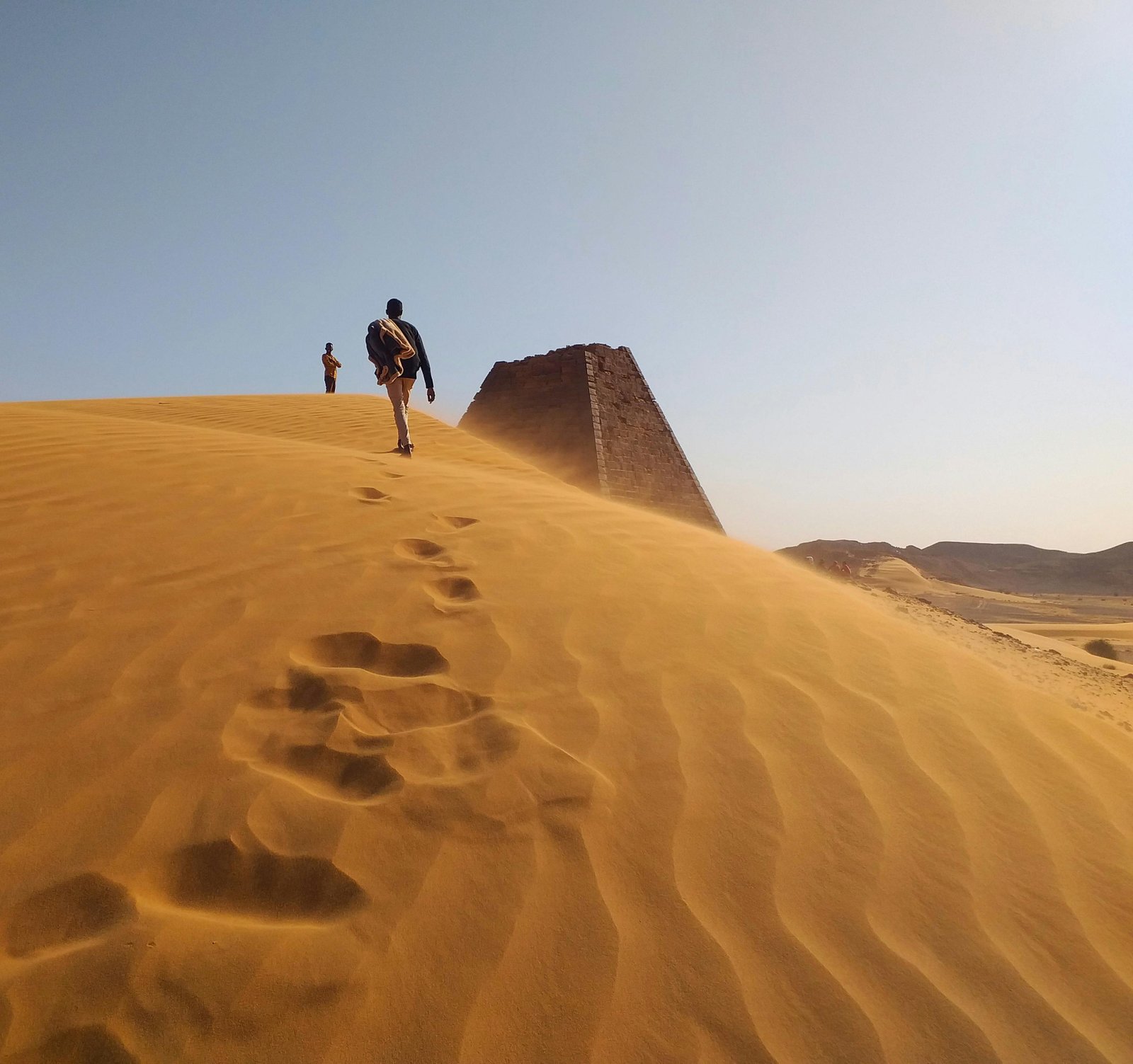
Sudanese Tribal Systems: Understanding Tribal Politics in Sudan
Sudan, a country in northeastern Africa, is known for its rich diversity of cultures and traditions. One of the defining features of Sudanese society is its tribal systems, which play a significant role in shaping the country's political landscape. In this blog post, we will explore the intricate nature of Sudanese tribal politics and how it influences the country's governance.
Sudanese society is characterized by a myriad of tribes, each with its own distinct customs, practices, and social structures. These tribes have traditionally held significant influence in both rural and urban areas, forming the bedrock of Sudanese identity and community dynamics. Within each tribe, there are hierarchies of leadership, often based on lineage, age, and social status.
In Sudanese tribal politics, power dynamics and decision-making processes are heavily influenced by tribal affiliations. Tribal leaders, known as sheikhs or elders, hold considerable sway within their communities and often act as mediators in disputes, arbitrators in conflicts, and representatives in national politics. The decisions made by tribal leaders can have far-reaching implications for their communities and beyond.
Tribal politics in Sudan is not confined to rural areas but also permeates urban centers and the national political arena. Political parties and movements in Sudan often mobilize along tribal lines, seeking to garner support from specific tribal groups. This intersection of tribal identity and political affiliation can lead to both unity and division within Sudanese society, shaping political allegiances and alliances.
The legacy of colonialism and the post-independence era have also had a significant impact on Sudanese tribal politics. Borders drawn arbitrarily by colonial powers divided tribal territories and created tensions among various groups. Furthermore, the centralization of power by successive governments has sometimes marginalized tribal communities, leading to grievances and conflicts.
Understanding Sudanese tribal systems is essential for comprehending the country's political dynamics and fostering inclusive governance. Recognizing the diversity of tribes and their unique contributions to Sudanese society can help bridge divisions and build a more cohesive nation. By engaging with tribal leaders, promoting dialogue among different tribal groups, and creating space for pluralistic representation, Sudan can move towards a more inclusive political system that reflects the country's rich cultural tapestry.
In conclusion, Sudanese tribal systems play a pivotal role in shaping the country's political landscape. Tribal politics intersect with national governance structures, influencing decision-making processes and power dynamics. By acknowledging and engaging with Sudan's diverse tribal communities, policymakers and stakeholders can work towards a more cohesive and inclusive political system that honors the country's cultural heritage and promotes unity.
Leave a Comment:
SEARCH
Recent News
- Zurich, Switzerland is a vibrant city known for its rich cultural scene and diverse music offerings. One unique aspect of Zurich's music scene is the presence of Sudanese music, which has found a home in the city's melting pot of cultures.
- Zurich, Switzerland is a vibrant city known for its picturesque landscapes, rich history, and diverse cultural scene. One fascinating aspect of Zurich's cultural tapestry is the influence of Sudanese culture in the city.
- Zurich, Switzerland is known for its multicultural atmosphere and diverse culinary scene. One of the lesser-known gems of Zurich's food scene is Sudanese cuisine. Sudanese cuisine is a reflection of the country's diverse cultural influences, blending Arabic, African, and Mediterranean flavors to create a unique and delicious culinary experience.
- Zurich, Switzerland, is a vibrant city known for its scenic beauty, rich history, and thriving business environment. One interesting aspect of Zurich's business landscape is the presence of Sudanese entrepreneurs who have made their mark in various industries in the city.
- Visiting Zurich, Switzerland, can be an enriching experience for music lovers from all corners of the world. While the city may not be the first place that comes to mind when thinking about South African music, Zurich's diverse music scene offers a glimpse into the vibrant sounds of this African nation.
- Zurich, Switzerland is a city known for its vibrant culture, stunning landscapes, and welcoming atmosphere. Over the years, Zurich has become a melting pot of diversity, attracting people from all corners of the world. One noticeable community that has found its home in Zurich is the Ethiopian population.
- Zurich, Switzerland is not only known for its picturesque landscapes and thriving economy, but also for its vibrant and growing Ethiopian diaspora community. The Ethiopian diaspora in Zurich is one of the largest in Switzerland, with a significant number of Ethiopians calling the city their home.
- Zurich, Switzerland: A Culinary Journey into Ethiopian Cuisine
READ MORE
10 months ago Category :

Zurich, Switzerland is a vibrant city known for its rich cultural scene and diverse music offerings. One unique aspect of Zurich's music scene is the presence of Sudanese music, which has found a home in the city's melting pot of cultures.
Read More →10 months ago Category :

Zurich, Switzerland is a vibrant city known for its picturesque landscapes, rich history, and diverse cultural scene. One fascinating aspect of Zurich's cultural tapestry is the influence of Sudanese culture in the city.
Read More →10 months ago Category :

Zurich, Switzerland is known for its multicultural atmosphere and diverse culinary scene. One of the lesser-known gems of Zurich's food scene is Sudanese cuisine. Sudanese cuisine is a reflection of the country's diverse cultural influences, blending Arabic, African, and Mediterranean flavors to create a unique and delicious culinary experience.
Read More →10 months ago Category :
