Sudanese Tribal Systems: Role of Tribes in Sudanese Governance
Category : Sudanese Tribal Systems | Sub Category : Role of Tribes in Sudanese Governance Posted on 2025-02-02 21:24:53
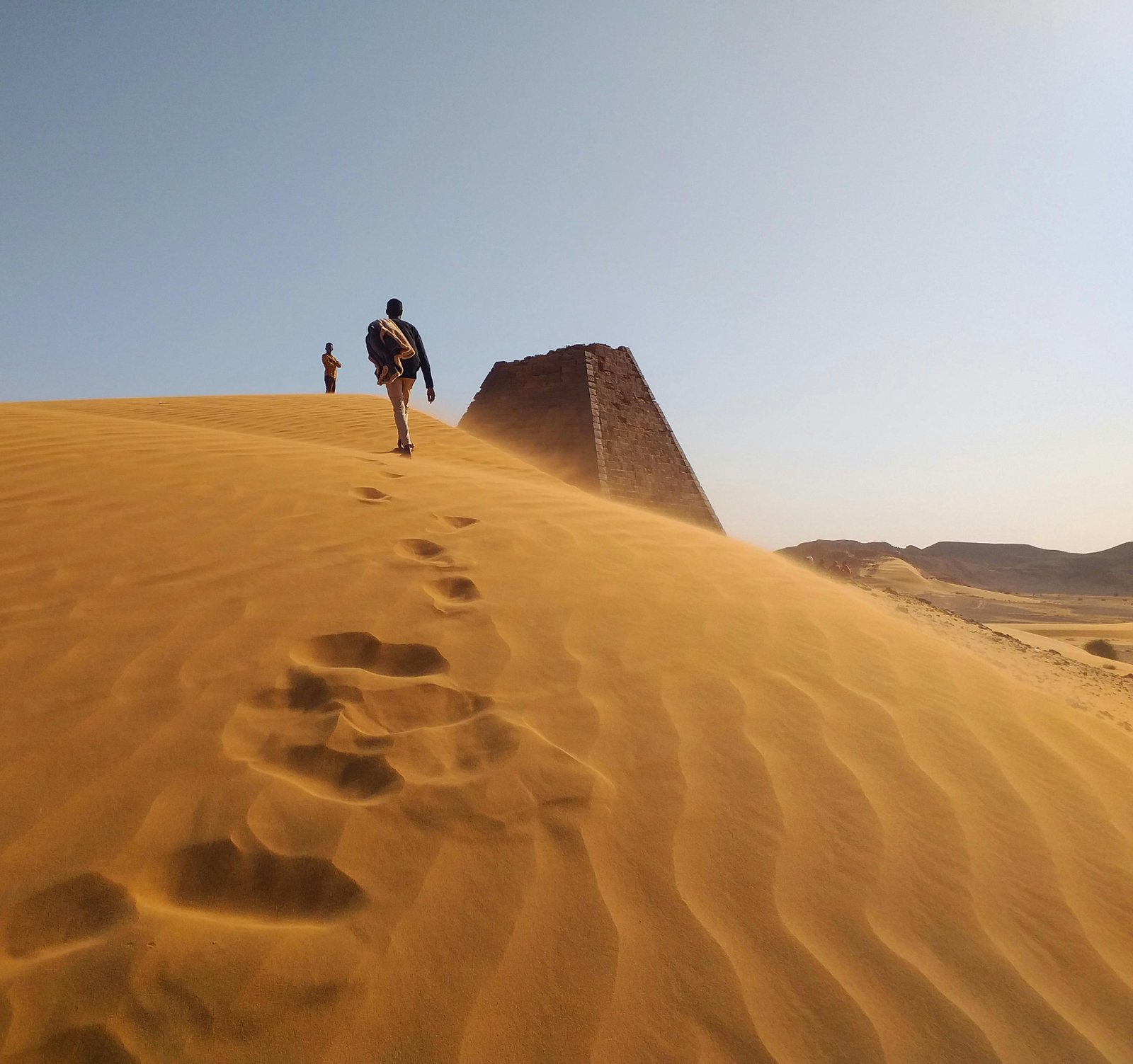
Sudanese Tribal Systems: Role of Tribes in Sudanese Governance
Tribal systems have long played a significant role in the governance of Sudan. The diversity of tribes in Sudan has contributed to a complex social and political landscape, with tribes holding substantial influence in various aspects of governance.
In Sudan, tribes are often organized hierarchically, with chiefs or elders leading their respective tribes. These tribal leaders play a crucial role in maintaining order within their communities and resolving disputes. They are also responsible for upholding traditional customs and promoting unity among tribe members.
One of the ways in which tribes influence governance in Sudan is through their involvement in decision-making processes. Tribal leaders often serve as mediators between the government and their communities, ensuring that the interests of their tribes are represented in policy decisions. This has led to the inclusion of tribal representatives in various government bodies and councils, where they have a voice in shaping policies that affect their tribes.
Additionally, tribes in Sudan play a vital role in conflict resolution and peacebuilding efforts. Tribal leaders leverage their influence to negotiate and mediate conflicts between different tribes or between their communities and the government. Their deep understanding of tribal customs and traditions enables them to find peaceful resolutions to disputes, thus contributing to overall stability in the region.
However, the influence of tribes in Sudanese governance also poses challenges. Critics argue that tribal allegiances can sometimes exacerbate divisions and hinder national unity. Inter-tribal conflicts and competition for resources have at times led to instability and violence in the country.
Despite these challenges, the role of tribes in Sudanese governance remains significant. The government recognizes the importance of engaging with tribal leaders and incorporating their perspectives into policy-making processes. Efforts to promote dialogue and collaboration between the government and tribes are essential for building a more inclusive and peaceful society in Sudan.
In conclusion, the tribal systems in Sudan play a crucial role in governance, influencing decision-making, conflict resolution, and peacebuilding efforts. While challenges exist, the engagement of tribes in the political process is essential for promoting unity and stability in the country. By recognizing and harnessing the influence of tribes, Sudan can move towards a more inclusive and prosperous future.
Leave a Comment:
SEARCH
Recent News
- Zurich, Switzerland is a vibrant city known for its rich cultural scene and diverse music offerings. One unique aspect of Zurich's music scene is the presence of Sudanese music, which has found a home in the city's melting pot of cultures.
- Zurich, Switzerland is a vibrant city known for its picturesque landscapes, rich history, and diverse cultural scene. One fascinating aspect of Zurich's cultural tapestry is the influence of Sudanese culture in the city.
- Zurich, Switzerland is known for its multicultural atmosphere and diverse culinary scene. One of the lesser-known gems of Zurich's food scene is Sudanese cuisine. Sudanese cuisine is a reflection of the country's diverse cultural influences, blending Arabic, African, and Mediterranean flavors to create a unique and delicious culinary experience.
- Zurich, Switzerland, is a vibrant city known for its scenic beauty, rich history, and thriving business environment. One interesting aspect of Zurich's business landscape is the presence of Sudanese entrepreneurs who have made their mark in various industries in the city.
- Visiting Zurich, Switzerland, can be an enriching experience for music lovers from all corners of the world. While the city may not be the first place that comes to mind when thinking about South African music, Zurich's diverse music scene offers a glimpse into the vibrant sounds of this African nation.
- Zurich, Switzerland is a city known for its vibrant culture, stunning landscapes, and welcoming atmosphere. Over the years, Zurich has become a melting pot of diversity, attracting people from all corners of the world. One noticeable community that has found its home in Zurich is the Ethiopian population.
- Zurich, Switzerland is not only known for its picturesque landscapes and thriving economy, but also for its vibrant and growing Ethiopian diaspora community. The Ethiopian diaspora in Zurich is one of the largest in Switzerland, with a significant number of Ethiopians calling the city their home.
- Zurich, Switzerland: A Culinary Journey into Ethiopian Cuisine
READ MORE
10 months ago Category :

Zurich, Switzerland is a vibrant city known for its rich cultural scene and diverse music offerings. One unique aspect of Zurich's music scene is the presence of Sudanese music, which has found a home in the city's melting pot of cultures.
Read More →10 months ago Category :

Zurich, Switzerland is a vibrant city known for its picturesque landscapes, rich history, and diverse cultural scene. One fascinating aspect of Zurich's cultural tapestry is the influence of Sudanese culture in the city.
Read More →10 months ago Category :

Zurich, Switzerland is known for its multicultural atmosphere and diverse culinary scene. One of the lesser-known gems of Zurich's food scene is Sudanese cuisine. Sudanese cuisine is a reflection of the country's diverse cultural influences, blending Arabic, African, and Mediterranean flavors to create a unique and delicious culinary experience.
Read More →10 months ago Category :
