Sudanese Tribal Systems: Cultural Influence of Sudanese Tribes
Category : Sudanese Tribal Systems | Sub Category : Cultural Influence of Sudanese Tribes Posted on 2025-02-02 21:24:53
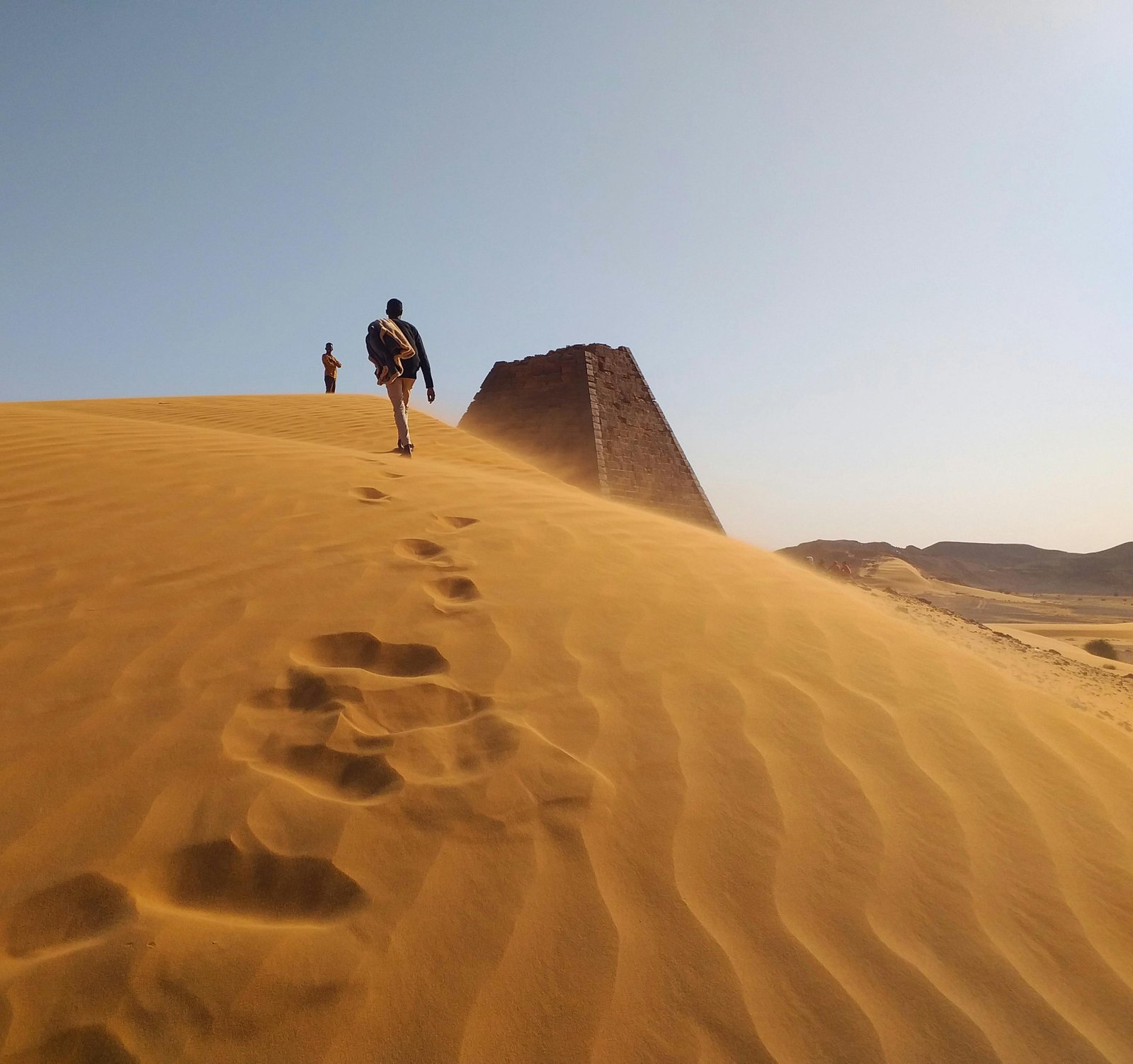
Sudanese Tribal Systems: Cultural Influence of Sudanese Tribes
Sudanese tribal systems play a significant role in shaping the cultural landscape of Sudan. The diversity of tribes in Sudan contributes to the rich tapestry of traditions, customs, and beliefs that make up the country's cultural heritage. Each tribe brings its unique practices and ways of life, reflecting the history and values that have been passed down through generations.
One of the key aspects of Sudanese tribal systems is the sense of identity and belonging that it provides to its members. Tribes serve as a social unit where individuals share a common ancestry, language, and customs. This shared identity fosters a strong sense of community and solidarity among tribe members, who often come together to celebrate cultural events, rituals, and traditions.
The influence of Sudanese tribes can be seen in various aspects of everyday life, including food, clothing, music, and dance. Different tribes have their culinary specialties, traditional attire, musical styles, and dance forms that reflect their unique cultural heritage. For example, the Beja tribe in eastern Sudan is known for their distinctive dance performances, while the Baggara tribe in western Sudan is renowned for their horsemanship skills.
Furthermore, Sudanese tribal systems play a role in governance and decision-making within tribal communities. Tribal leaders, known as sheikhs or elders, hold significant authority and are responsible for resolving disputes, upholding traditions, and maintaining social order within the tribe. These traditional governance structures continue to coexist alongside formal state institutions in Sudan, highlighting the enduring influence of tribal systems in contemporary society.
Despite the diversity of tribes in Sudan, there is a sense of unity and solidarity that transcends tribal boundaries. The concept of "Sudanese-ness" encompasses a shared national identity that goes beyond tribal affiliations, highlighting the importance of coexistence and mutual respect among different ethnic groups in the country.
In conclusion, Sudanese tribal systems play a vital role in shaping the cultural landscape of Sudan, showcasing the diversity and richness of the country's cultural heritage. The influence of tribes can be seen in various aspects of life, from traditional practices to governance structures, highlighting the enduring legacy of tribal traditions in Sudanese society.
Leave a Comment:
SEARCH
Recent News
- Zurich, Switzerland is a vibrant city known for its rich cultural scene and diverse music offerings. One unique aspect of Zurich's music scene is the presence of Sudanese music, which has found a home in the city's melting pot of cultures.
- Zurich, Switzerland is a vibrant city known for its picturesque landscapes, rich history, and diverse cultural scene. One fascinating aspect of Zurich's cultural tapestry is the influence of Sudanese culture in the city.
- Zurich, Switzerland is known for its multicultural atmosphere and diverse culinary scene. One of the lesser-known gems of Zurich's food scene is Sudanese cuisine. Sudanese cuisine is a reflection of the country's diverse cultural influences, blending Arabic, African, and Mediterranean flavors to create a unique and delicious culinary experience.
- Zurich, Switzerland, is a vibrant city known for its scenic beauty, rich history, and thriving business environment. One interesting aspect of Zurich's business landscape is the presence of Sudanese entrepreneurs who have made their mark in various industries in the city.
- Visiting Zurich, Switzerland, can be an enriching experience for music lovers from all corners of the world. While the city may not be the first place that comes to mind when thinking about South African music, Zurich's diverse music scene offers a glimpse into the vibrant sounds of this African nation.
- Zurich, Switzerland is a city known for its vibrant culture, stunning landscapes, and welcoming atmosphere. Over the years, Zurich has become a melting pot of diversity, attracting people from all corners of the world. One noticeable community that has found its home in Zurich is the Ethiopian population.
- Zurich, Switzerland is not only known for its picturesque landscapes and thriving economy, but also for its vibrant and growing Ethiopian diaspora community. The Ethiopian diaspora in Zurich is one of the largest in Switzerland, with a significant number of Ethiopians calling the city their home.
- Zurich, Switzerland: A Culinary Journey into Ethiopian Cuisine
READ MORE
10 months ago Category :

Zurich, Switzerland is a vibrant city known for its rich cultural scene and diverse music offerings. One unique aspect of Zurich's music scene is the presence of Sudanese music, which has found a home in the city's melting pot of cultures.
Read More →10 months ago Category :

Zurich, Switzerland is a vibrant city known for its picturesque landscapes, rich history, and diverse cultural scene. One fascinating aspect of Zurich's cultural tapestry is the influence of Sudanese culture in the city.
Read More →10 months ago Category :

Zurich, Switzerland is known for its multicultural atmosphere and diverse culinary scene. One of the lesser-known gems of Zurich's food scene is Sudanese cuisine. Sudanese cuisine is a reflection of the country's diverse cultural influences, blending Arabic, African, and Mediterranean flavors to create a unique and delicious culinary experience.
Read More →10 months ago Category :
