Sudan, located in northeastern Africa, is blessed with rich natural resources, including minerals like gold, iron ore, copper, and uranium. Mining has played a significant role in the country's economy for many years, contributing to its GDP and providing employment opportunities for its people. However, the mining sector in Sudan faces various challenges and is governed by specific regulations to ensure sustainable exploitation of the country's natural resources.
Category : Sudanese Natural Resources and Mining | Sub Category : Sudanese Mining Regulations and Challenges Posted on 2025-02-02 21:24:53
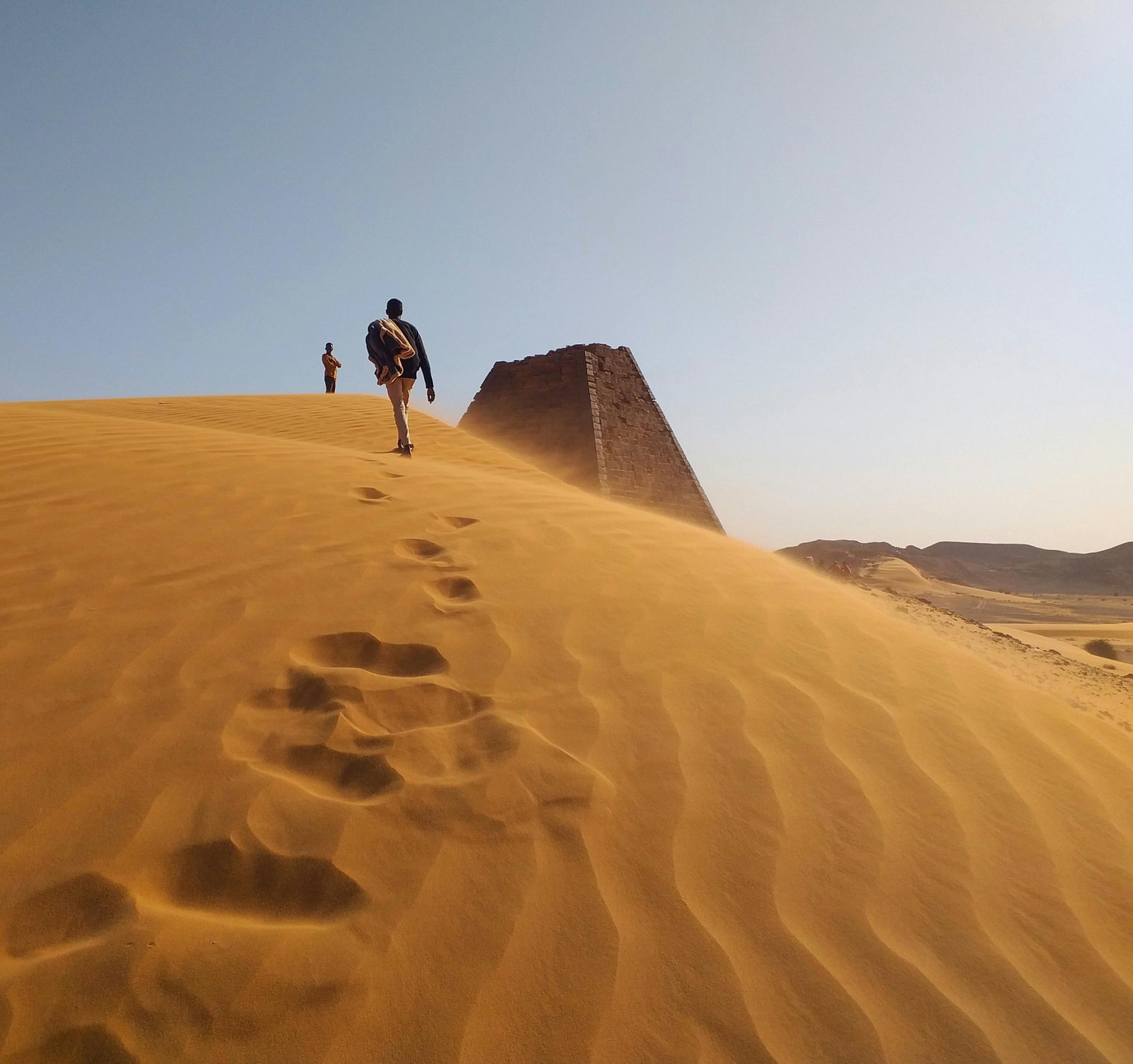
Sudan, located in northeastern Africa, is blessed with rich natural resources, including minerals like gold, iron ore, copper, and uranium. Mining has played a significant role in the country's economy for many years, contributing to its GDP and providing employment opportunities for its people. However, the mining sector in Sudan faces various challenges and is governed by specific regulations to ensure sustainable exploitation of the country's natural resources.
Sudanese mining regulations aim to promote transparency, accountability, and responsible mining practices. The Sudanese government has established laws and regulations to govern the mining sector, including the Mineral Wealth Act and the Mining and Quarries Act. These laws outline the rights and responsibilities of mining companies and set guidelines for exploration, extraction, and export of minerals.
One of the challenges facing the mining sector in Sudan is the lack of infrastructure and technology. Many mining operations in the country are still conducted using traditional methods, which are inefficient and environmentally damaging. The government is working to attract foreign investment to modernize the sector and improve infrastructure, such as roads, railways, and ports, to facilitate the transportation of mining products.
Another significant challenge is the issue of illegal mining and smuggling of minerals. This poses a threat to the country's economy and deprives the government of much-needed revenue. The Sudanese government is working to combat illegal mining through increased surveillance and enforcement measures to ensure that all mining activities are conducted legally and in compliance with regulations.
Environmental concerns are also a major challenge for the mining sector in Sudan. Mining activities can have a significant impact on the environment, including deforestation, soil erosion, and water contamination. The government has implemented regulations to mitigate these impacts, such as requiring mining companies to conduct environmental assessments and implement measures to minimize their environmental footprint.
In conclusion, while Sudan is rich in natural resources, including minerals, the mining sector in the country faces various challenges. By enforcing regulations, improving infrastructure, and addressing environmental concerns, the Sudanese government aims to promote sustainable and responsible mining practices to ensure the long-term development of the sector and the country's economy.
Leave a Comment:
SEARCH
Recent News
- Zurich, Switzerland is a vibrant city known for its rich cultural scene and diverse music offerings. One unique aspect of Zurich's music scene is the presence of Sudanese music, which has found a home in the city's melting pot of cultures.
- Zurich, Switzerland is a vibrant city known for its picturesque landscapes, rich history, and diverse cultural scene. One fascinating aspect of Zurich's cultural tapestry is the influence of Sudanese culture in the city.
- Zurich, Switzerland is known for its multicultural atmosphere and diverse culinary scene. One of the lesser-known gems of Zurich's food scene is Sudanese cuisine. Sudanese cuisine is a reflection of the country's diverse cultural influences, blending Arabic, African, and Mediterranean flavors to create a unique and delicious culinary experience.
- Zurich, Switzerland, is a vibrant city known for its scenic beauty, rich history, and thriving business environment. One interesting aspect of Zurich's business landscape is the presence of Sudanese entrepreneurs who have made their mark in various industries in the city.
- Visiting Zurich, Switzerland, can be an enriching experience for music lovers from all corners of the world. While the city may not be the first place that comes to mind when thinking about South African music, Zurich's diverse music scene offers a glimpse into the vibrant sounds of this African nation.
- Zurich, Switzerland is a city known for its vibrant culture, stunning landscapes, and welcoming atmosphere. Over the years, Zurich has become a melting pot of diversity, attracting people from all corners of the world. One noticeable community that has found its home in Zurich is the Ethiopian population.
- Zurich, Switzerland is not only known for its picturesque landscapes and thriving economy, but also for its vibrant and growing Ethiopian diaspora community. The Ethiopian diaspora in Zurich is one of the largest in Switzerland, with a significant number of Ethiopians calling the city their home.
- Zurich, Switzerland: A Culinary Journey into Ethiopian Cuisine
READ MORE
9 months ago Category :

Zurich, Switzerland is a vibrant city known for its rich cultural scene and diverse music offerings. One unique aspect of Zurich's music scene is the presence of Sudanese music, which has found a home in the city's melting pot of cultures.
Read More →9 months ago Category :

Zurich, Switzerland is a vibrant city known for its picturesque landscapes, rich history, and diverse cultural scene. One fascinating aspect of Zurich's cultural tapestry is the influence of Sudanese culture in the city.
Read More →9 months ago Category :

Zurich, Switzerland is known for its multicultural atmosphere and diverse culinary scene. One of the lesser-known gems of Zurich's food scene is Sudanese cuisine. Sudanese cuisine is a reflection of the country's diverse cultural influences, blending Arabic, African, and Mediterranean flavors to create a unique and delicious culinary experience.
Read More →9 months ago Category :
