Sudan, a country rich in natural resources, has been experiencing a boom in the mining sector in recent years. The extraction of minerals such as gold, iron, copper, and even oil has brought economic benefits to the country. However, this mining activity also comes with its own set of environmental challenges and impacts.
Category : Sudanese Natural Resources and Mining | Sub Category : Environmental Impact of Mining in Sudan Posted on 2025-02-02 21:24:53
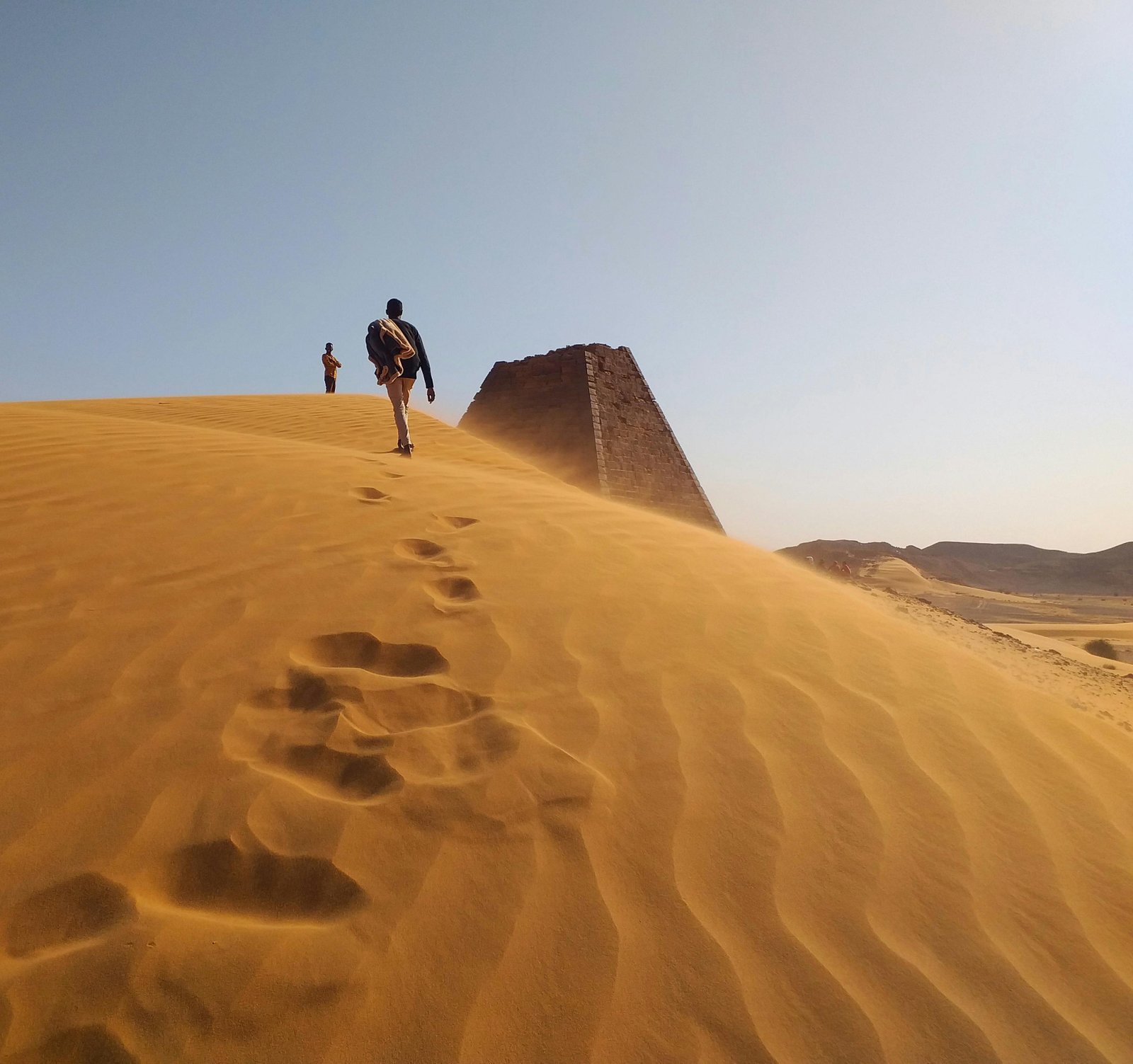
Sudan, a country rich in natural resources, has been experiencing a boom in the mining sector in recent years. The extraction of minerals such as gold, iron, copper, and even oil has brought economic benefits to the country. However, this mining activity also comes with its own set of environmental challenges and impacts.
One of the major environmental concerns in Sudan is the improper disposal of mining waste, which can contaminate soil, water sources, and even the air. Mining activities generate a significant amount of waste rock and tailings, which may contain heavy metals and other harmful chemicals. If not properly managed, these wastes can leach into the surrounding environment, leading to pollution and potential health risks for both humans and wildlife.
Another environmental impact of mining in Sudan is deforestation and habitat destruction. Mining operations often require the clearing of large areas of land for infrastructure and extraction activities. This can result in the loss of biodiversity, disruption of ecosystems, and displacement of wildlife. Deforestation also contributes to soil erosion, decreased water quality, and loss of carbon sequestration capacity.
Furthermore, mining can have a significant impact on water resources in Sudan. The extraction of minerals often requires large amounts of water for processing and dust suppression. This can lead to the depletion of local water sources, increased competition for water resources, and potential contamination of water bodies with chemicals used in the mining process.
In response to these environmental challenges, the Sudanese government and mining companies need to prioritize sustainable and responsible mining practices. This includes implementing effective environmental regulations, conducting thorough environmental impact assessments before starting mining operations, and adopting best practices for waste management and water conservation.
Additionally, local communities and environmental organizations play a crucial role in advocating for environmental protection and holding mining companies accountable for their actions. By promoting transparency, public participation, and environmental education, stakeholders can work together to mitigate the environmental impacts of mining in Sudan and ensure the long-term sustainability of the country's natural resources.
In conclusion, while mining in Sudan has the potential to drive economic growth and development, it is essential to address the environmental consequences of mining activities. By fostering a culture of environmental stewardship and sustainable mining practices, Sudan can harness its natural resources while safeguarding the environment for future generations.
Leave a Comment:
SEARCH
Recent News
- Zurich, Switzerland is a vibrant city known for its rich cultural scene and diverse music offerings. One unique aspect of Zurich's music scene is the presence of Sudanese music, which has found a home in the city's melting pot of cultures.
- Zurich, Switzerland is a vibrant city known for its picturesque landscapes, rich history, and diverse cultural scene. One fascinating aspect of Zurich's cultural tapestry is the influence of Sudanese culture in the city.
- Zurich, Switzerland is known for its multicultural atmosphere and diverse culinary scene. One of the lesser-known gems of Zurich's food scene is Sudanese cuisine. Sudanese cuisine is a reflection of the country's diverse cultural influences, blending Arabic, African, and Mediterranean flavors to create a unique and delicious culinary experience.
- Zurich, Switzerland, is a vibrant city known for its scenic beauty, rich history, and thriving business environment. One interesting aspect of Zurich's business landscape is the presence of Sudanese entrepreneurs who have made their mark in various industries in the city.
- Visiting Zurich, Switzerland, can be an enriching experience for music lovers from all corners of the world. While the city may not be the first place that comes to mind when thinking about South African music, Zurich's diverse music scene offers a glimpse into the vibrant sounds of this African nation.
- Zurich, Switzerland is a city known for its vibrant culture, stunning landscapes, and welcoming atmosphere. Over the years, Zurich has become a melting pot of diversity, attracting people from all corners of the world. One noticeable community that has found its home in Zurich is the Ethiopian population.
- Zurich, Switzerland is not only known for its picturesque landscapes and thriving economy, but also for its vibrant and growing Ethiopian diaspora community. The Ethiopian diaspora in Zurich is one of the largest in Switzerland, with a significant number of Ethiopians calling the city their home.
- Zurich, Switzerland: A Culinary Journey into Ethiopian Cuisine
READ MORE
9 months ago Category :

Zurich, Switzerland is a vibrant city known for its rich cultural scene and diverse music offerings. One unique aspect of Zurich's music scene is the presence of Sudanese music, which has found a home in the city's melting pot of cultures.
Read More →9 months ago Category :

Zurich, Switzerland is a vibrant city known for its picturesque landscapes, rich history, and diverse cultural scene. One fascinating aspect of Zurich's cultural tapestry is the influence of Sudanese culture in the city.
Read More →9 months ago Category :

Zurich, Switzerland is known for its multicultural atmosphere and diverse culinary scene. One of the lesser-known gems of Zurich's food scene is Sudanese cuisine. Sudanese cuisine is a reflection of the country's diverse cultural influences, blending Arabic, African, and Mediterranean flavors to create a unique and delicious culinary experience.
Read More →9 months ago Category :
