Sudanese History and Archaeology: The Impact of Archaeological Sites on Sudanese Identity
Category : Sudanese History and Archaeology | Sub Category : Impact of Archaeological Sites on Sudanese Identity Posted on 2025-02-02 21:24:53
Sudanese History and Archaeology: The Impact of Archaeological Sites on Sudanese Identity
Sudan, a country rich in history and culture, is home to numerous archaeological sites that offer a window into its past. These sites play a crucial role in shaping and preserving the Sudanese identity, reflecting the diverse and complex history of the region.
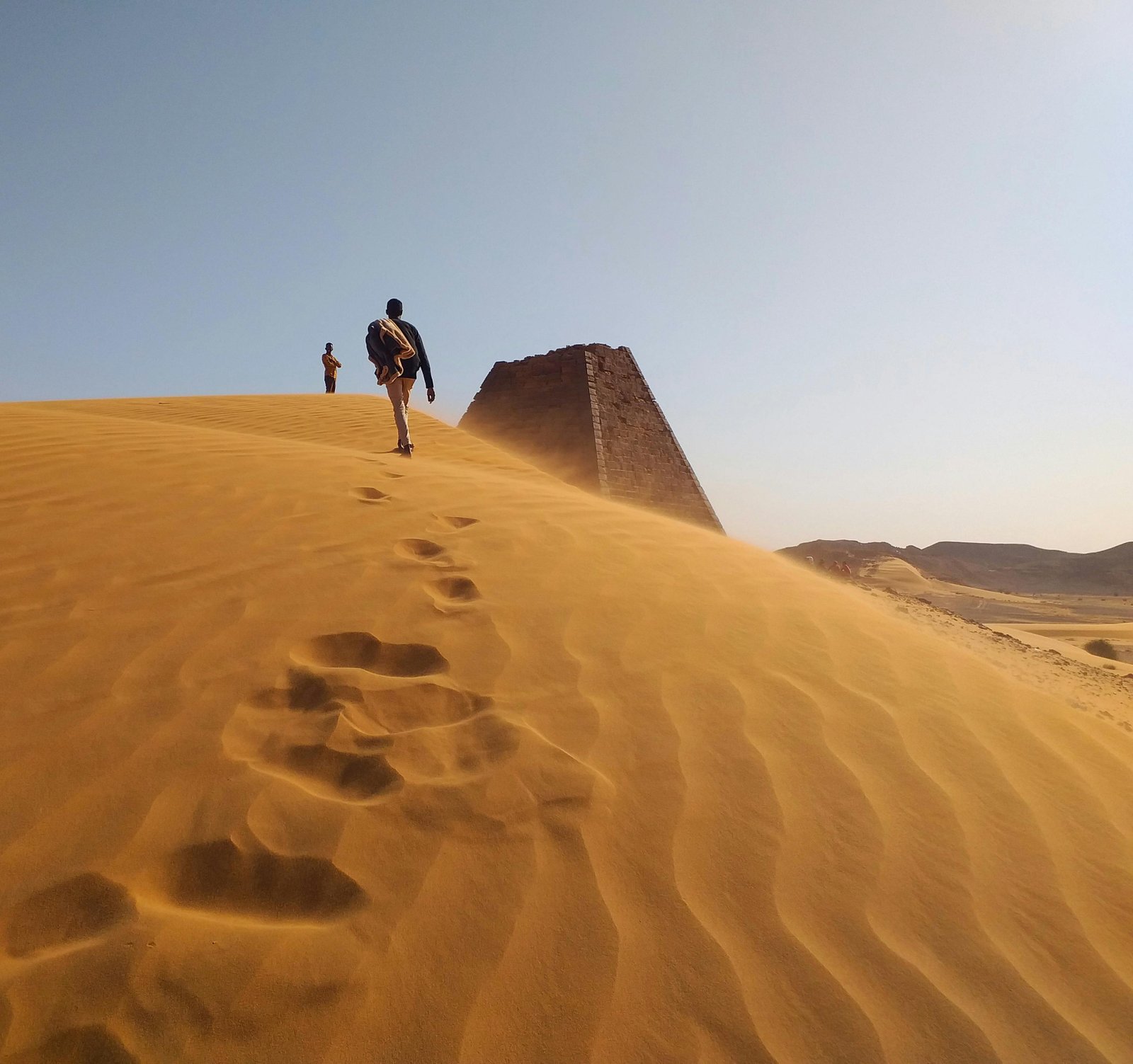
One of the most well-known archaeological sites in Sudan is the ancient city of Meroe, located along the Nile River. This city was the capital of the Kingdom of Kush, a powerful civilization that thrived from the 8th century BC to the 4th century AD. The ruins of Meroe, with its pyramids, temples, and royal baths, provide valuable insights into the architectural and religious practices of the Kushite people.
Another significant archaeological site in Sudan is the city of Jebel Barkal, considered a sacred place by the ancient Egyptians and the Kushites. The site is dominated by a large rock formation that was believed to be the dwelling place of the god Amun. The Great Temple of Amun at Jebel Barkal, with its massive mud brick walls and intricate carvings, highlights the religious significance of the site.
Archaeological sites like Meroe and Jebel Barkal not only showcase the advanced civilizations that once thrived in Sudan but also contribute to the country's sense of identity and pride. By preserving and promoting these sites, Sudan is able to connect with its rich historical legacy and share it with the world.
Furthermore, the study of Sudanese archaeology helps to challenge and correct misconceptions about the history of the region. For centuries, the history of Sudan was overshadowed by its more well-known neighbors, such as Egypt. However, archaeological discoveries in Sudan have revealed the sophistication and complexity of its ancient civilizations, reshaping perceptions of the country's past.
In conclusion, archaeological sites in Sudan play a vital role in preserving the country's heritage and shaping its identity. By exploring and protecting these sites, Sudan can continue to celebrate its rich history and cultural diversity while also contributing to the global understanding of the ancient world.
Leave a Comment:
SEARCH
Recent News
- Zurich, Switzerland is a vibrant city known for its rich cultural scene and diverse music offerings. One unique aspect of Zurich's music scene is the presence of Sudanese music, which has found a home in the city's melting pot of cultures.
- Zurich, Switzerland is a vibrant city known for its picturesque landscapes, rich history, and diverse cultural scene. One fascinating aspect of Zurich's cultural tapestry is the influence of Sudanese culture in the city.
- Zurich, Switzerland is known for its multicultural atmosphere and diverse culinary scene. One of the lesser-known gems of Zurich's food scene is Sudanese cuisine. Sudanese cuisine is a reflection of the country's diverse cultural influences, blending Arabic, African, and Mediterranean flavors to create a unique and delicious culinary experience.
- Zurich, Switzerland, is a vibrant city known for its scenic beauty, rich history, and thriving business environment. One interesting aspect of Zurich's business landscape is the presence of Sudanese entrepreneurs who have made their mark in various industries in the city.
- Visiting Zurich, Switzerland, can be an enriching experience for music lovers from all corners of the world. While the city may not be the first place that comes to mind when thinking about South African music, Zurich's diverse music scene offers a glimpse into the vibrant sounds of this African nation.
- Zurich, Switzerland is a city known for its vibrant culture, stunning landscapes, and welcoming atmosphere. Over the years, Zurich has become a melting pot of diversity, attracting people from all corners of the world. One noticeable community that has found its home in Zurich is the Ethiopian population.
- Zurich, Switzerland is not only known for its picturesque landscapes and thriving economy, but also for its vibrant and growing Ethiopian diaspora community. The Ethiopian diaspora in Zurich is one of the largest in Switzerland, with a significant number of Ethiopians calling the city their home.
- Zurich, Switzerland: A Culinary Journey into Ethiopian Cuisine
READ MORE
9 months ago Category :

Zurich, Switzerland is a vibrant city known for its rich cultural scene and diverse music offerings. One unique aspect of Zurich's music scene is the presence of Sudanese music, which has found a home in the city's melting pot of cultures.
Read More →9 months ago Category :

Zurich, Switzerland is a vibrant city known for its picturesque landscapes, rich history, and diverse cultural scene. One fascinating aspect of Zurich's cultural tapestry is the influence of Sudanese culture in the city.
Read More →9 months ago Category :

Zurich, Switzerland is known for its multicultural atmosphere and diverse culinary scene. One of the lesser-known gems of Zurich's food scene is Sudanese cuisine. Sudanese cuisine is a reflection of the country's diverse cultural influences, blending Arabic, African, and Mediterranean flavors to create a unique and delicious culinary experience.
Read More →9 months ago Category :
