Sudan, located in North Africa, faces significant environmental challenges, with desertification being a major issue confronting the country. Desertification is the process by which fertile land turns into desert due to various factors like climate change, deforestation, overgrazing, and unsustainable agricultural practices.
Category : Sudanese Environmental Challenges | Sub Category : Sudanese Desertification Issues Posted on 2025-02-02 21:24:53
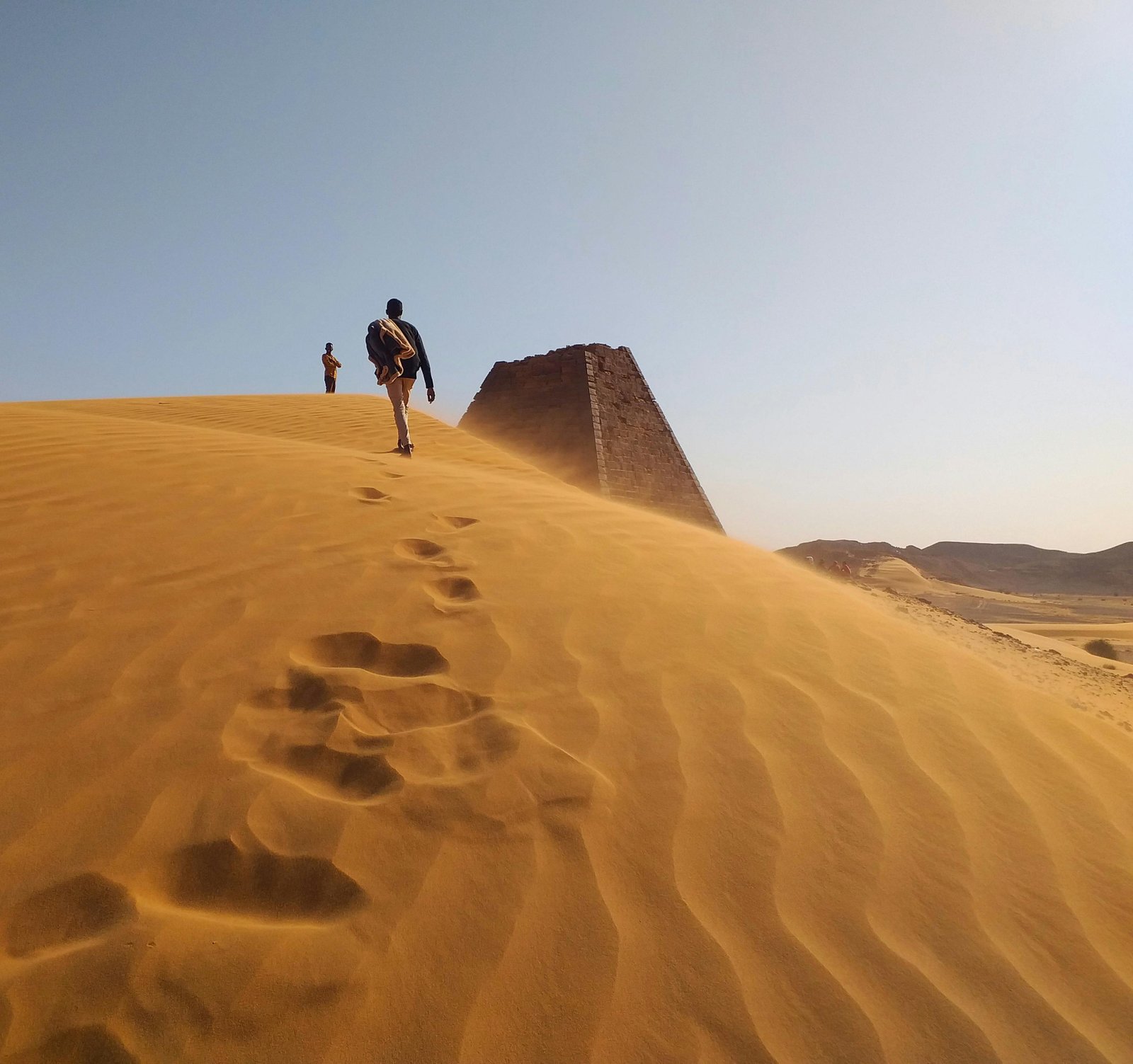
Sudan, located in North Africa, faces significant environmental challenges, with desertification being a major issue confronting the country. Desertification is the process by which fertile land turns into desert due to various factors like climate change, deforestation, overgrazing, and unsustainable agricultural practices.
One of the primary causes of desertification in Sudan is the expansion of the Sahara Desert, which is encroaching on the country's arable land at an alarming rate. This expansion is exacerbated by climate change, leading to prolonged droughts and erratic rainfall patterns, making it difficult for vegetation to thrive.
Deforestation is another critical factor contributing to desertification in Sudan. Trees and vegetation play a crucial role in preventing soil erosion and maintaining soil fertility. However, rampant deforestation for fuelwood, agriculture, and infrastructure development is leading to the destruction of forests, further degrading the land and exacerbating desertification.
Overgrazing is a common practice in Sudan, where livestock are allowed to graze on fragile lands beyond their carrying capacity. This leads to the degradation of vegetation cover, soil compaction, and ultimately, desertification. Sustainable grazing practices and the implementation of rotational grazing systems are essential to prevent further land degradation.
Unsustainable agricultural practices, such as monocropping and improper irrigation techniques, also contribute to desertification in Sudan. These practices deplete the soil of nutrients, leading to decreased productivity and eventual desertification. Implementing agroforestry techniques, crop rotation, and water conservation methods can help mitigate the impacts of unsustainable agriculture on the environment.
To address the challenges of desertification in Sudan, concerted efforts at the national and local levels are required. Implementing sustainable land management practices, promoting reforestation and afforestation initiatives, and raising awareness about the importance of preserving the environment are crucial steps in combating desertification.
It is essential for policymakers, communities, and individuals to work together to protect Sudan's land resources and combat desertification. By taking action to preserve the environment and promote sustainable land use practices, Sudan can mitigate the impacts of desertification and ensure a more sustainable future for generations to come.
Leave a Comment:
SEARCH
Recent News
- Zurich, Switzerland is a vibrant city known for its rich cultural scene and diverse music offerings. One unique aspect of Zurich's music scene is the presence of Sudanese music, which has found a home in the city's melting pot of cultures.
- Zurich, Switzerland is a vibrant city known for its picturesque landscapes, rich history, and diverse cultural scene. One fascinating aspect of Zurich's cultural tapestry is the influence of Sudanese culture in the city.
- Zurich, Switzerland is known for its multicultural atmosphere and diverse culinary scene. One of the lesser-known gems of Zurich's food scene is Sudanese cuisine. Sudanese cuisine is a reflection of the country's diverse cultural influences, blending Arabic, African, and Mediterranean flavors to create a unique and delicious culinary experience.
- Zurich, Switzerland, is a vibrant city known for its scenic beauty, rich history, and thriving business environment. One interesting aspect of Zurich's business landscape is the presence of Sudanese entrepreneurs who have made their mark in various industries in the city.
- Visiting Zurich, Switzerland, can be an enriching experience for music lovers from all corners of the world. While the city may not be the first place that comes to mind when thinking about South African music, Zurich's diverse music scene offers a glimpse into the vibrant sounds of this African nation.
- Zurich, Switzerland is a city known for its vibrant culture, stunning landscapes, and welcoming atmosphere. Over the years, Zurich has become a melting pot of diversity, attracting people from all corners of the world. One noticeable community that has found its home in Zurich is the Ethiopian population.
- Zurich, Switzerland is not only known for its picturesque landscapes and thriving economy, but also for its vibrant and growing Ethiopian diaspora community. The Ethiopian diaspora in Zurich is one of the largest in Switzerland, with a significant number of Ethiopians calling the city their home.
- Zurich, Switzerland: A Culinary Journey into Ethiopian Cuisine
READ MORE
9 months ago Category :

Zurich, Switzerland is a vibrant city known for its rich cultural scene and diverse music offerings. One unique aspect of Zurich's music scene is the presence of Sudanese music, which has found a home in the city's melting pot of cultures.
Read More →9 months ago Category :

Zurich, Switzerland is a vibrant city known for its picturesque landscapes, rich history, and diverse cultural scene. One fascinating aspect of Zurich's cultural tapestry is the influence of Sudanese culture in the city.
Read More →9 months ago Category :

Zurich, Switzerland is known for its multicultural atmosphere and diverse culinary scene. One of the lesser-known gems of Zurich's food scene is Sudanese cuisine. Sudanese cuisine is a reflection of the country's diverse cultural influences, blending Arabic, African, and Mediterranean flavors to create a unique and delicious culinary experience.
Read More →9 months ago Category :
