Sudan, a country in northeastern Africa, is facing severe environmental challenges, with climate change posing a significant threat to its natural resources and people. The impact of climate change on Sudan has led to devastating consequences for the country's ecosystems, agriculture, water resources, and overall well-being of its population.
Category : Sudanese Environmental Challenges | Sub Category : Impact of Climate Change on Sudan Posted on 2025-02-02 21:24:53
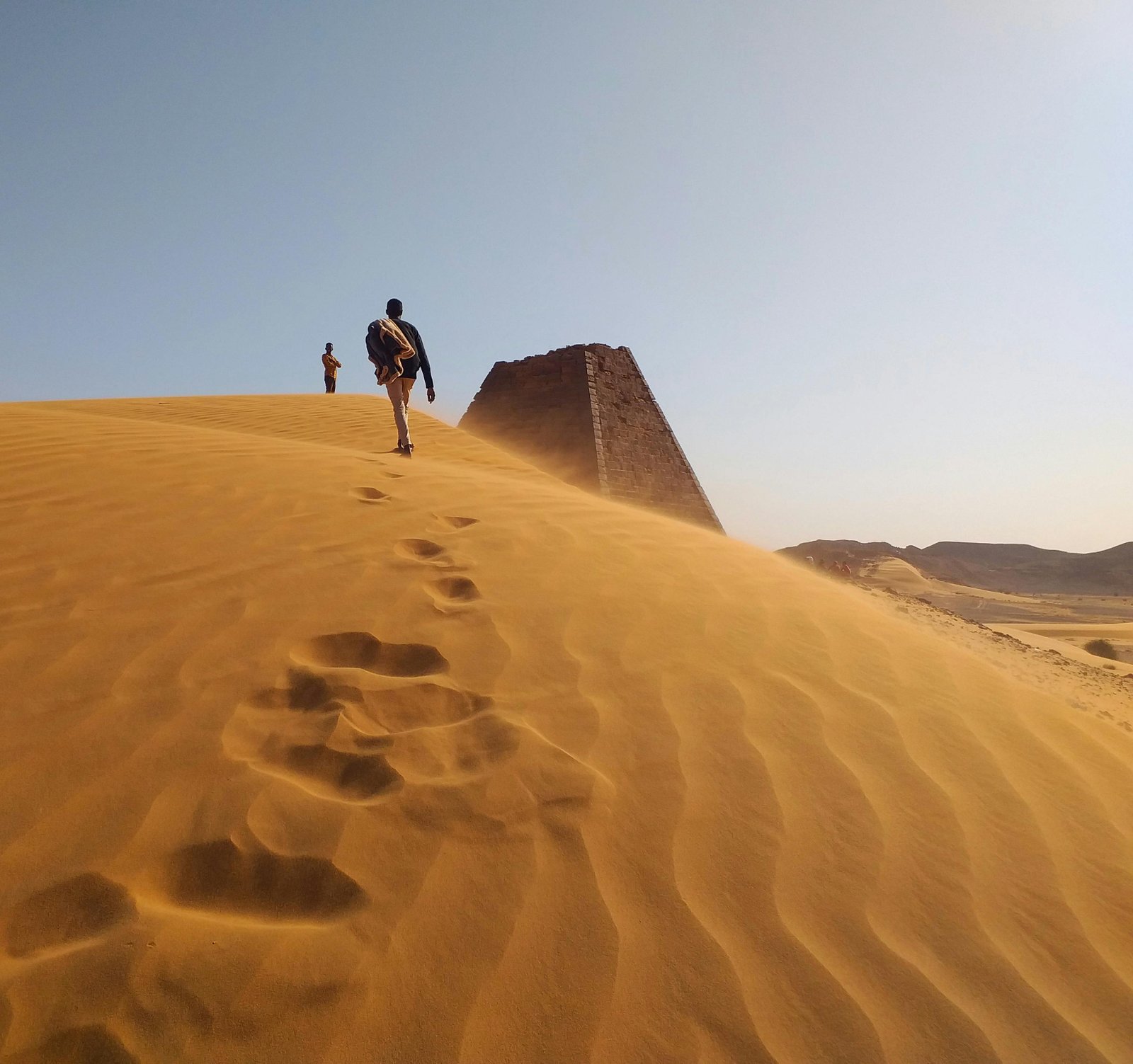
Sudan, a country in northeastern Africa, is facing severe environmental challenges, with climate change posing a significant threat to its natural resources and people. The impact of climate change on Sudan has led to devastating consequences for the country's ecosystems, agriculture, water resources, and overall well-being of its population.
One of the most pressing environmental challenges that Sudan is currently facing due to climate change is desertification. Desertification, the process by which fertile land turns into desert, has been exacerbated in Sudan by factors such as deforestation, overgrazing, and unsustainable agricultural practices. This has led to a significant loss of arable land, decreasing agricultural productivity and food security for millions of Sudanese people.
Furthermore, the changing climate patterns in Sudan have also resulted in more frequent and severe droughts and floods. These extreme weather events not only damage crops and livestock but also lead to water scarcity and sanitation challenges, affecting the health and livelihoods of many communities in the country.
Additionally, rising temperatures and erratic rainfall patterns have contributed to the spread of diseases such as malaria and other vector-borne diseases in Sudan. This poses a serious public health risk, particularly in rural areas where access to healthcare services is limited.
The impact of climate change on Sudan is not only environmental and social but also economic. The country heavily relies on agriculture as a major source of income, and the disruption caused by climate change can have long-term implications on the economy. Decreased agricultural productivity, water scarcity, and increased health costs further strain the already fragile economy of Sudan.
Addressing the environmental challenges caused by climate change in Sudan requires a multi-faceted approach. Sustainable land management practices, afforestation initiatives, water conservation efforts, and the promotion of climate-resilient agriculture are essential steps to mitigating the impact of climate change on Sudan's environment and its people.
International cooperation and support are also crucial in providing resources and expertise to help Sudan adapt to and mitigate the effects of climate change. By working together, the global community can support Sudan in building a more sustainable and resilient future for its environment and population.
Leave a Comment:
SEARCH
Recent News
- Zurich, Switzerland is a vibrant city known for its rich cultural scene and diverse music offerings. One unique aspect of Zurich's music scene is the presence of Sudanese music, which has found a home in the city's melting pot of cultures.
- Zurich, Switzerland is a vibrant city known for its picturesque landscapes, rich history, and diverse cultural scene. One fascinating aspect of Zurich's cultural tapestry is the influence of Sudanese culture in the city.
- Zurich, Switzerland is known for its multicultural atmosphere and diverse culinary scene. One of the lesser-known gems of Zurich's food scene is Sudanese cuisine. Sudanese cuisine is a reflection of the country's diverse cultural influences, blending Arabic, African, and Mediterranean flavors to create a unique and delicious culinary experience.
- Zurich, Switzerland, is a vibrant city known for its scenic beauty, rich history, and thriving business environment. One interesting aspect of Zurich's business landscape is the presence of Sudanese entrepreneurs who have made their mark in various industries in the city.
- Visiting Zurich, Switzerland, can be an enriching experience for music lovers from all corners of the world. While the city may not be the first place that comes to mind when thinking about South African music, Zurich's diverse music scene offers a glimpse into the vibrant sounds of this African nation.
- Zurich, Switzerland is a city known for its vibrant culture, stunning landscapes, and welcoming atmosphere. Over the years, Zurich has become a melting pot of diversity, attracting people from all corners of the world. One noticeable community that has found its home in Zurich is the Ethiopian population.
- Zurich, Switzerland is not only known for its picturesque landscapes and thriving economy, but also for its vibrant and growing Ethiopian diaspora community. The Ethiopian diaspora in Zurich is one of the largest in Switzerland, with a significant number of Ethiopians calling the city their home.
- Zurich, Switzerland: A Culinary Journey into Ethiopian Cuisine
READ MORE
9 months ago Category :

Zurich, Switzerland is a vibrant city known for its rich cultural scene and diverse music offerings. One unique aspect of Zurich's music scene is the presence of Sudanese music, which has found a home in the city's melting pot of cultures.
Read More →9 months ago Category :

Zurich, Switzerland is a vibrant city known for its picturesque landscapes, rich history, and diverse cultural scene. One fascinating aspect of Zurich's cultural tapestry is the influence of Sudanese culture in the city.
Read More →9 months ago Category :

Zurich, Switzerland is known for its multicultural atmosphere and diverse culinary scene. One of the lesser-known gems of Zurich's food scene is Sudanese cuisine. Sudanese cuisine is a reflection of the country's diverse cultural influences, blending Arabic, African, and Mediterranean flavors to create a unique and delicious culinary experience.
Read More →9 months ago Category :
