The Sudanese Civil War was a devastating conflict that lasted for decades, resulting in tremendous loss of life and displacement of millions of people. The conflict was rooted in political, economic, and social factors, including ethnicity and religion. The war came to an end in 2005 with the signing of the Comprehensive Peace Agreement (CPA) between the Sudanese government and the Sudan People's Liberation Movement/Army (SPLM/A).
Category : Sudanese Civil War and Peace Agreements | Sub Category : Reconciliation and Reconstruction in Sudan Posted on 2025-02-02 21:24:53
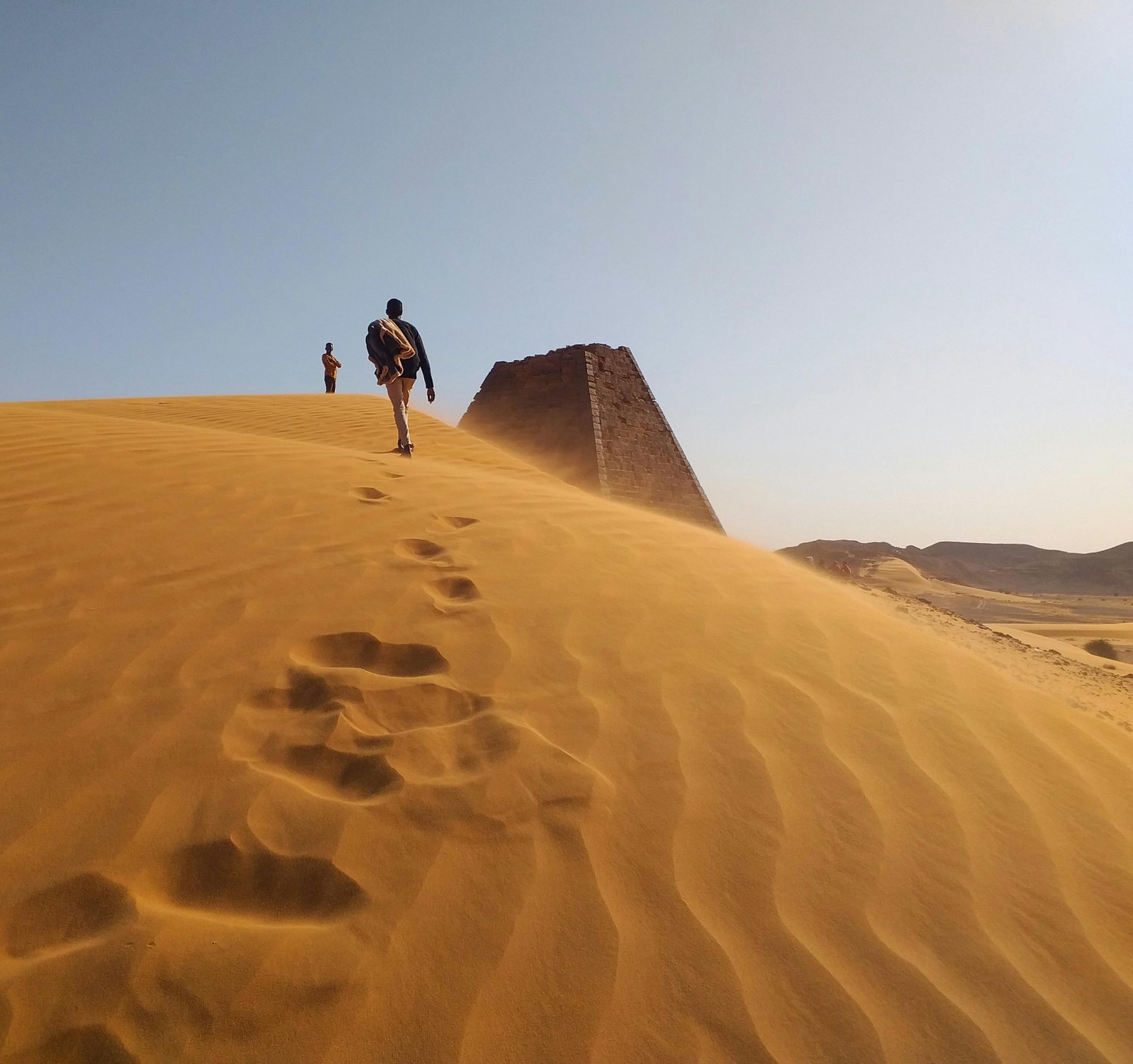
The Sudanese Civil War was a devastating conflict that lasted for decades, resulting in tremendous loss of life and displacement of millions of people. The conflict was rooted in political, economic, and social factors, including ethnicity and religion. The war came to an end in 2005 with the signing of the Comprehensive Peace Agreement (CPA) between the Sudanese government and the Sudan People's Liberation Movement/Army (SPLM/A).
The CPA was a significant step towards achieving peace in Sudan and marked the beginning of a new chapter for the country. It outlined provisions for power-sharing, wealth-sharing, and the right to self-determination for the people of South Sudan. In 2011, a referendum was held in which the people of South Sudan voted to secede from Sudan and become an independent nation.
Despite the independence of South Sudan, conflicts and violence continued to plague Sudan, particularly in regions like Darfur, Blue Nile, and South Kordofan. In response to these ongoing challenges, the Sudanese government and various rebel groups engaged in peace talks that eventually led to the signing of the Sudanese Peace Agreement in 2020.
The Sudanese Peace Agreement is seen as a crucial step towards reconciliation and reconstruction in Sudan. It addresses issues of power-sharing, wealth-sharing, security arrangements, and the return of displaced populations. The agreement also includes provisions for transitional justice and the establishment of a Commission for Truth, Justice, and Reconciliation.
Reconciliation in Sudan will require the collective effort of all parties involved, including the government, rebel groups, civil society organizations, and the international community. Healing the wounds of war, addressing past grievances, and promoting inclusivity and diversity will be essential for building a peaceful and prosperous future for Sudan.
As Sudan moves forward with the implementation of the peace agreement, reconstruction efforts will be vital to rebuild infrastructure, provide essential services, and support the sustainable development of the country. International support and cooperation will be crucial in this process to ensure that Sudan is able to recover from the devastation of war and build a new foundation for lasting peace and stability.
In conclusion, the Sudanese Civil War and the subsequent peace agreements have had a profound impact on the country and its people. Reconciliation and reconstruction will be key in overcoming the legacy of conflict and building a brighter future for Sudan. With commitment, collaboration, and determination, Sudan has the potential to emerge stronger and more united than ever before.
Leave a Comment:
SEARCH
Recent News
- Zurich, Switzerland is a vibrant city known for its rich cultural scene and diverse music offerings. One unique aspect of Zurich's music scene is the presence of Sudanese music, which has found a home in the city's melting pot of cultures.
- Zurich, Switzerland is a vibrant city known for its picturesque landscapes, rich history, and diverse cultural scene. One fascinating aspect of Zurich's cultural tapestry is the influence of Sudanese culture in the city.
- Zurich, Switzerland is known for its multicultural atmosphere and diverse culinary scene. One of the lesser-known gems of Zurich's food scene is Sudanese cuisine. Sudanese cuisine is a reflection of the country's diverse cultural influences, blending Arabic, African, and Mediterranean flavors to create a unique and delicious culinary experience.
- Zurich, Switzerland, is a vibrant city known for its scenic beauty, rich history, and thriving business environment. One interesting aspect of Zurich's business landscape is the presence of Sudanese entrepreneurs who have made their mark in various industries in the city.
- Visiting Zurich, Switzerland, can be an enriching experience for music lovers from all corners of the world. While the city may not be the first place that comes to mind when thinking about South African music, Zurich's diverse music scene offers a glimpse into the vibrant sounds of this African nation.
- Zurich, Switzerland is a city known for its vibrant culture, stunning landscapes, and welcoming atmosphere. Over the years, Zurich has become a melting pot of diversity, attracting people from all corners of the world. One noticeable community that has found its home in Zurich is the Ethiopian population.
- Zurich, Switzerland is not only known for its picturesque landscapes and thriving economy, but also for its vibrant and growing Ethiopian diaspora community. The Ethiopian diaspora in Zurich is one of the largest in Switzerland, with a significant number of Ethiopians calling the city their home.
- Zurich, Switzerland: A Culinary Journey into Ethiopian Cuisine
READ MORE
9 months ago Category :

Zurich, Switzerland is a vibrant city known for its rich cultural scene and diverse music offerings. One unique aspect of Zurich's music scene is the presence of Sudanese music, which has found a home in the city's melting pot of cultures.
Read More →9 months ago Category :

Zurich, Switzerland is a vibrant city known for its picturesque landscapes, rich history, and diverse cultural scene. One fascinating aspect of Zurich's cultural tapestry is the influence of Sudanese culture in the city.
Read More →9 months ago Category :

Zurich, Switzerland is known for its multicultural atmosphere and diverse culinary scene. One of the lesser-known gems of Zurich's food scene is Sudanese cuisine. Sudanese cuisine is a reflection of the country's diverse cultural influences, blending Arabic, African, and Mediterranean flavors to create a unique and delicious culinary experience.
Read More →9 months ago Category :
