Sudanese Architecture and Monuments: Cultural Significance
Category : Sudanese Architecture and Monuments | Sub Category : Cultural Significance of Sudanese Architecture Posted on 2025-02-02 21:24:53
Sudanese Architecture and Monuments: Cultural Significance
Sudan is a country with a rich history and a diverse cultural heritage that is reflected in its architecture and monuments. Sudanese architecture is a unique blend of traditional African building techniques and Islamic influences, resulting in structures that are both functional and aesthetically pleasing.
One of the most prominent architectural styles in Sudan is the use of mud bricks, known as "adobe," in the construction of buildings. These mud brick structures are not only sustainable and environmentally friendly but also provide excellent insulation against the hot desert climate of Sudan. Many traditional Sudanese homes, known as "tukuls," are made of mud bricks and feature distinctive conical thatched roofs.
Islamic architecture has also had a significant impact on Sudanese buildings, especially in urban centers like Khartoum. Mosques in Sudan are often characterized by their impressive domes, intricate geometric patterns, and slender minarets. One of the most famous mosques in Sudan is the Al-Nilin Mosque, which features a striking white exterior and gold-domed roof.
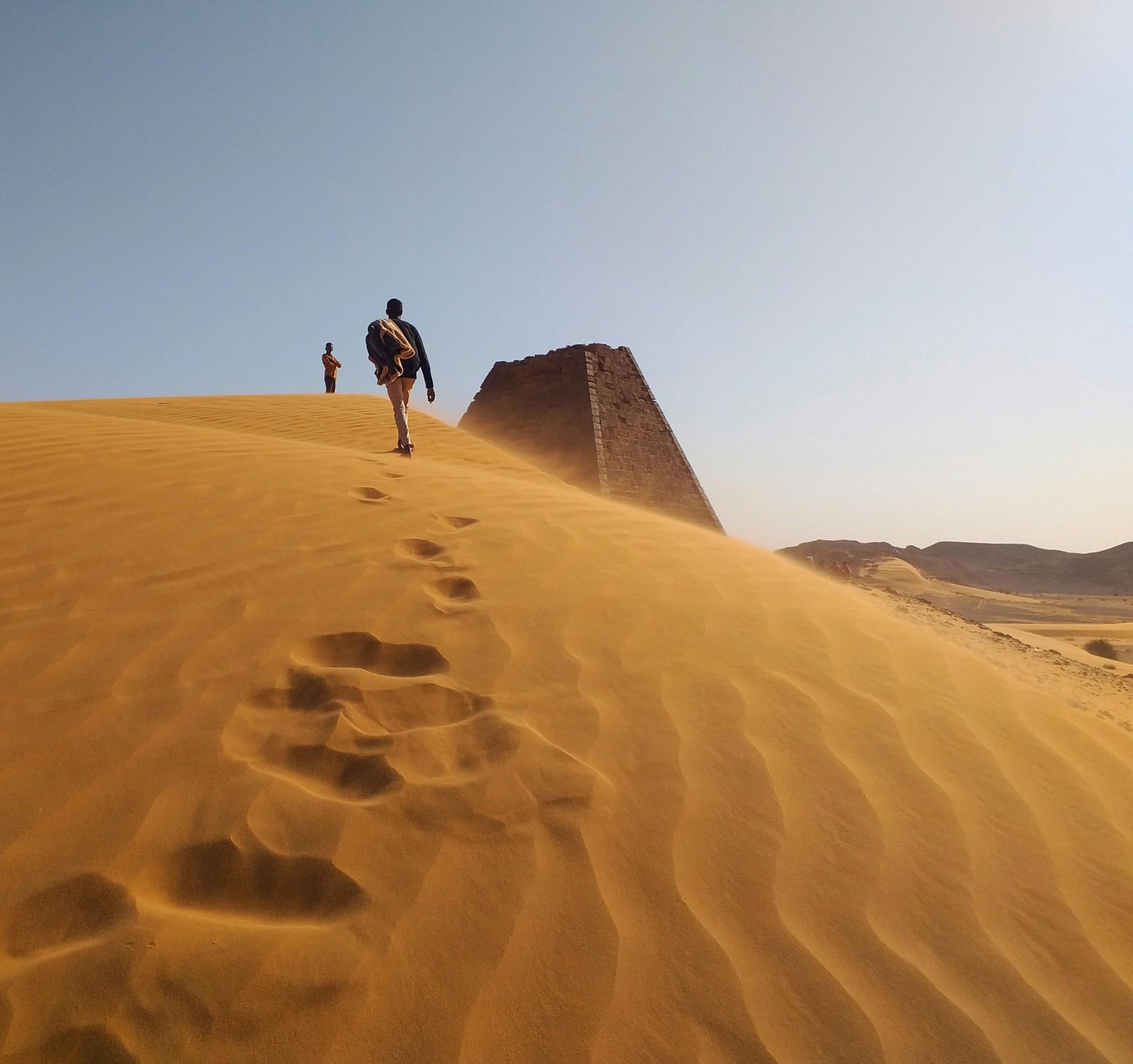
In addition to mosques, Sudan is home to a number of historic monuments that are important cultural landmarks. The ancient pyramids of Meroe, located in northern Sudan, are a UNESCO World Heritage Site and a popular tourist attraction. These pyramids were built by the Kingdom of Kush, one of the earliest civilizations in the Nile Valley, and are a testament to the advanced architectural skills of the ancient Sudanese people.
Another significant monument in Sudan is the National Museum of Sudan, located in Khartoum. The museum houses a vast collection of artifacts that showcase Sudan's long history, including ancient Egyptian artifacts, Nubian pottery, and traditional tribal artwork. The museum building itself is a fine example of modern Sudanese architecture, with its clean lines and minimalistic design.
Overall, Sudanese architecture and monuments play a crucial role in preserving the country's cultural heritage and identity. From ancient pyramids to modern mosques, these structures are a testament to the creativity and ingenuity of the Sudanese people throughout history. By studying and appreciating Sudanese architecture, we can gain a deeper understanding of the country's rich cultural tapestry and the influences that have shaped its built environment over the centuries.
Leave a Comment:
SEARCH
Recent News
- Zurich, Switzerland is a vibrant city known for its rich cultural scene and diverse music offerings. One unique aspect of Zurich's music scene is the presence of Sudanese music, which has found a home in the city's melting pot of cultures.
- Zurich, Switzerland is a vibrant city known for its picturesque landscapes, rich history, and diverse cultural scene. One fascinating aspect of Zurich's cultural tapestry is the influence of Sudanese culture in the city.
- Zurich, Switzerland is known for its multicultural atmosphere and diverse culinary scene. One of the lesser-known gems of Zurich's food scene is Sudanese cuisine. Sudanese cuisine is a reflection of the country's diverse cultural influences, blending Arabic, African, and Mediterranean flavors to create a unique and delicious culinary experience.
- Zurich, Switzerland, is a vibrant city known for its scenic beauty, rich history, and thriving business environment. One interesting aspect of Zurich's business landscape is the presence of Sudanese entrepreneurs who have made their mark in various industries in the city.
- Visiting Zurich, Switzerland, can be an enriching experience for music lovers from all corners of the world. While the city may not be the first place that comes to mind when thinking about South African music, Zurich's diverse music scene offers a glimpse into the vibrant sounds of this African nation.
- Zurich, Switzerland is a city known for its vibrant culture, stunning landscapes, and welcoming atmosphere. Over the years, Zurich has become a melting pot of diversity, attracting people from all corners of the world. One noticeable community that has found its home in Zurich is the Ethiopian population.
- Zurich, Switzerland is not only known for its picturesque landscapes and thriving economy, but also for its vibrant and growing Ethiopian diaspora community. The Ethiopian diaspora in Zurich is one of the largest in Switzerland, with a significant number of Ethiopians calling the city their home.
- Zurich, Switzerland: A Culinary Journey into Ethiopian Cuisine
READ MORE
10 months ago Category :

Zurich, Switzerland is a vibrant city known for its rich cultural scene and diverse music offerings. One unique aspect of Zurich's music scene is the presence of Sudanese music, which has found a home in the city's melting pot of cultures.
Read More →10 months ago Category :

Zurich, Switzerland is a vibrant city known for its picturesque landscapes, rich history, and diverse cultural scene. One fascinating aspect of Zurich's cultural tapestry is the influence of Sudanese culture in the city.
Read More →10 months ago Category :

Zurich, Switzerland is known for its multicultural atmosphere and diverse culinary scene. One of the lesser-known gems of Zurich's food scene is Sudanese cuisine. Sudanese cuisine is a reflection of the country's diverse cultural influences, blending Arabic, African, and Mediterranean flavors to create a unique and delicious culinary experience.
Read More →10 months ago Category :
