South Sudanese Traditional Culture and Practices: Role of Dance and Music
Category : South Sudanese Traditional Culture and Practices | Sub Category : Role of Dance and Music in South Sudanese Culture Posted on 2025-02-02 21:24:53
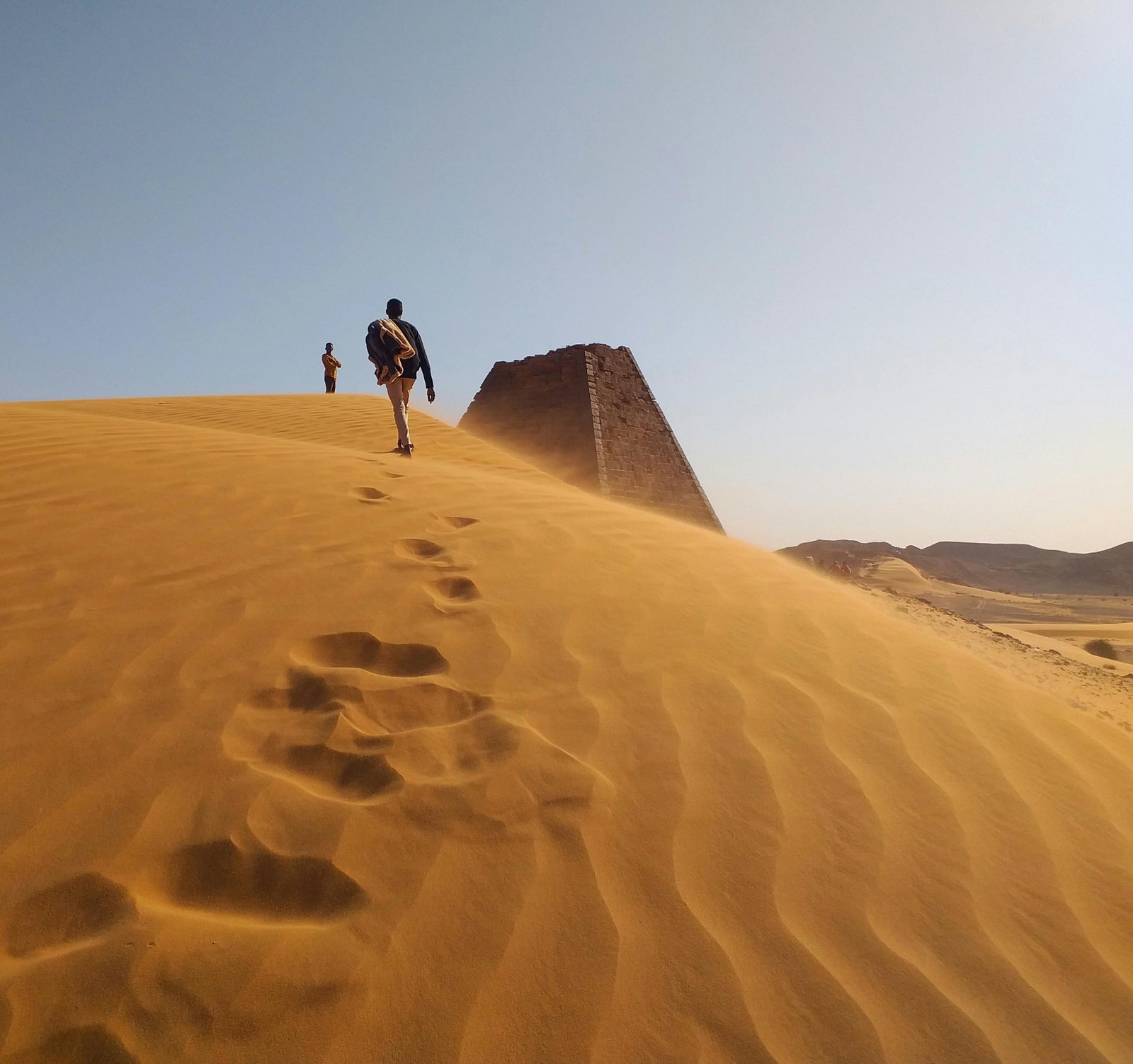
South Sudanese Traditional Culture and Practices: Role of Dance and Music
South Sudan is a diverse country with a rich cultural heritage that is reflected in its traditional practices, including dance and music. These cultural elements play a significant role in the lives of the South Sudanese people, serving as a form of expression, communication, and connection to their roots.
Dance is an integral part of South Sudanese culture, with each ethnic group having its unique style of dance. These dances are often performed on various occasions such as weddings, funerals, harvest festivals, and other traditional ceremonies. Dance serves as a way to celebrate important events, express emotions, and tell stories from generation to generation. The movements in South Sudanese dances are often vibrant, energetic, and rhythmic, with participants wearing colorful traditional attire and accessories.
Music is another essential aspect of South Sudanese culture, with traditional songs and musical instruments playing a vital role in the community. Many South Sudanese songs are sung in indigenous languages and reflect the daily lives, struggles, triumphs, and history of the people. Traditional musical instruments such as drums, flutes, harps, and rattles are commonly used in performances, adding a unique and authentic sound to the music. Singing and playing music are often communal activities that bring people together and create a sense of unity and belonging.
In addition to being a form of cultural expression, dance and music in South Sudan also hold spiritual and healing significance. Traditional dances and songs are often used in rituals and ceremonies to invoke spiritual connections, seek blessings from ancestors, and heal the sick or troubled individuals. These practices demonstrate the deep-rooted belief in the power of music and dance to bring about positive energy, healing, and spiritual protection.
Despite the challenges faced by South Sudan in recent years, the traditional cultural practices of dance and music continue to thrive among its people, serving as a source of pride, resilience, and identity. By preserving and celebrating these cultural elements, the South Sudanese communities are able to maintain a strong connection to their heritage and pass down their traditions to future generations.
In conclusion, dance and music play a vital role in South Sudanese culture, serving as a means of expression, communication, spiritual connection, and community bonding. These traditional practices not only bring joy and celebration to the people but also serve as a reminder of the rich cultural diversity and history of South Sudan. Moving forward, it is essential to continue supporting and promoting these cultural elements to ensure that they remain a vibrant and integral part of South Sudanese society.
Leave a Comment:
SEARCH
Recent News
- Zurich, Switzerland is a vibrant city known for its rich cultural scene and diverse music offerings. One unique aspect of Zurich's music scene is the presence of Sudanese music, which has found a home in the city's melting pot of cultures.
- Zurich, Switzerland is a vibrant city known for its picturesque landscapes, rich history, and diverse cultural scene. One fascinating aspect of Zurich's cultural tapestry is the influence of Sudanese culture in the city.
- Zurich, Switzerland is known for its multicultural atmosphere and diverse culinary scene. One of the lesser-known gems of Zurich's food scene is Sudanese cuisine. Sudanese cuisine is a reflection of the country's diverse cultural influences, blending Arabic, African, and Mediterranean flavors to create a unique and delicious culinary experience.
- Zurich, Switzerland, is a vibrant city known for its scenic beauty, rich history, and thriving business environment. One interesting aspect of Zurich's business landscape is the presence of Sudanese entrepreneurs who have made their mark in various industries in the city.
- Visiting Zurich, Switzerland, can be an enriching experience for music lovers from all corners of the world. While the city may not be the first place that comes to mind when thinking about South African music, Zurich's diverse music scene offers a glimpse into the vibrant sounds of this African nation.
- Zurich, Switzerland is a city known for its vibrant culture, stunning landscapes, and welcoming atmosphere. Over the years, Zurich has become a melting pot of diversity, attracting people from all corners of the world. One noticeable community that has found its home in Zurich is the Ethiopian population.
- Zurich, Switzerland is not only known for its picturesque landscapes and thriving economy, but also for its vibrant and growing Ethiopian diaspora community. The Ethiopian diaspora in Zurich is one of the largest in Switzerland, with a significant number of Ethiopians calling the city their home.
- Zurich, Switzerland: A Culinary Journey into Ethiopian Cuisine
READ MORE
9 months ago Category :

Zurich, Switzerland is a vibrant city known for its rich cultural scene and diverse music offerings. One unique aspect of Zurich's music scene is the presence of Sudanese music, which has found a home in the city's melting pot of cultures.
Read More →9 months ago Category :

Zurich, Switzerland is a vibrant city known for its picturesque landscapes, rich history, and diverse cultural scene. One fascinating aspect of Zurich's cultural tapestry is the influence of Sudanese culture in the city.
Read More →9 months ago Category :

Zurich, Switzerland is known for its multicultural atmosphere and diverse culinary scene. One of the lesser-known gems of Zurich's food scene is Sudanese cuisine. Sudanese cuisine is a reflection of the country's diverse cultural influences, blending Arabic, African, and Mediterranean flavors to create a unique and delicious culinary experience.
Read More →9 months ago Category :
