South Sudanese Independence and History: Challenges Faced by South Sudan Post-Independence
Category : South Sudanese Independence and History | Sub Category : Challenges Faced by South Sudan Post-Independence Posted on 2025-02-02 21:24:53
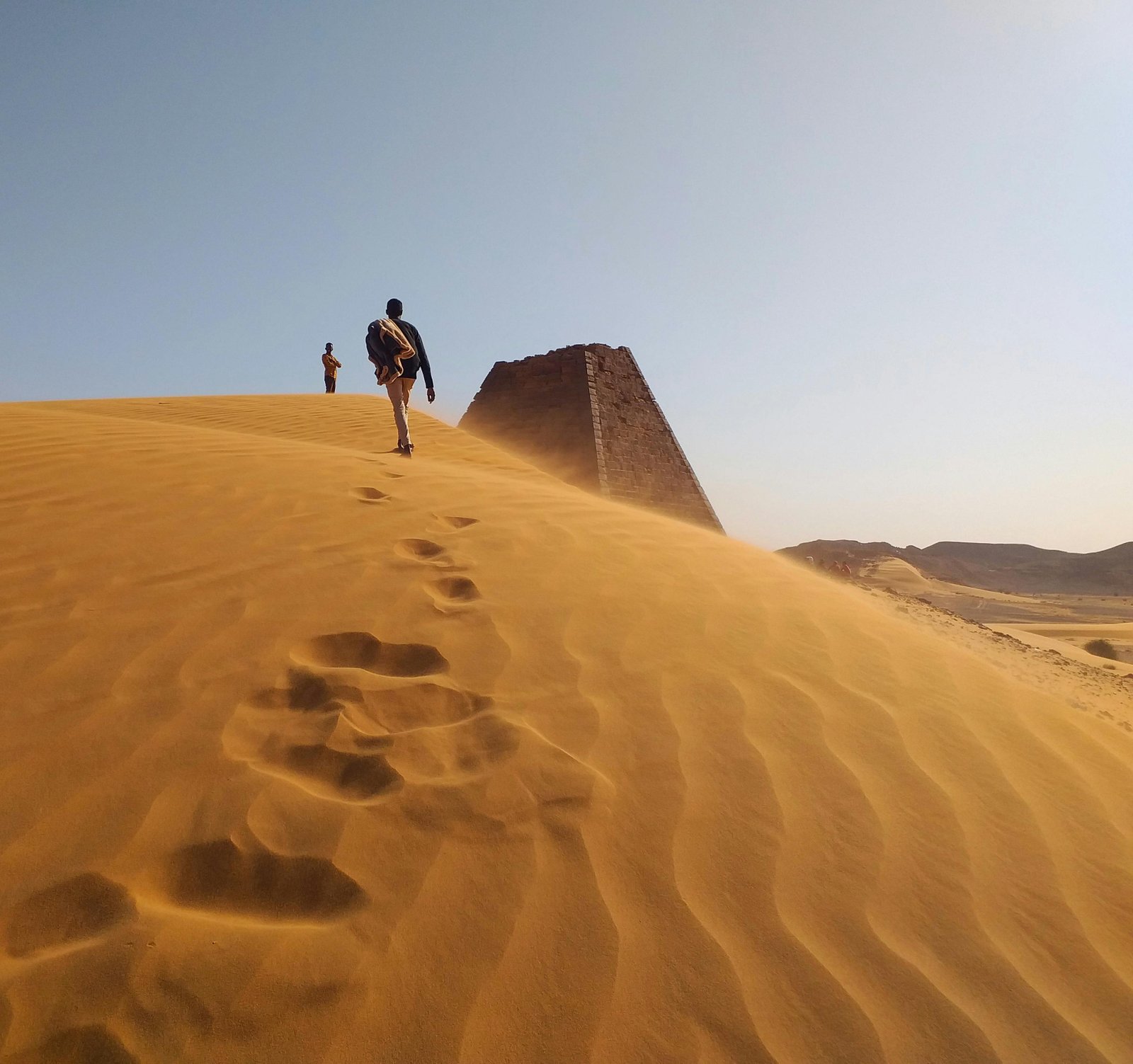
South Sudanese Independence and History: Challenges Faced by South Sudan Post-Independence
South Sudan, the world's youngest nation, gained independence on July 9, 2011, following decades of conflict with Sudan. The birth of South Sudan was seen as a moment of hope and promise for a region marred by civil war, displacement, and poverty. However, the road to stability and prosperity has been fraught with challenges for the newly independent nation.
One of the major challenges faced by South Sudan post-independence is the lack of effective governance and institutional capacity. The country inherited a weak governance structure from Sudan and has struggled to build strong institutions that can effectively manage the affairs of the state. This has led to corruption, mismanagement of resources, and a lack of basic services for the population.
Another significant challenge is the ongoing conflict and political instability in South Sudan. Just two years after gaining independence, the country plunged into a devastating civil war that has displaced millions of people and claimed the lives of tens of thousands. The conflict is fueled by political rivalries, ethnic tensions, and competition over resources, making it difficult to achieve lasting peace and reconciliation.
Economic challenges also plague South Sudan, with the country heavily dependent on oil revenues for its income. Fluctuations in global oil prices have led to economic instability, while the lack of diversification in the economy has hindered long-term growth and development. In addition, the country's infrastructure is underdeveloped, making it difficult to provide essential services such as education, healthcare, and clean water to its citizens.
Furthermore, South Sudan faces environmental challenges, including climate change, deforestation, and water scarcity. These issues have a direct impact on the livelihoods of the population, many of whom rely on agriculture and natural resources for their survival. Addressing these environmental challenges is crucial for ensuring the long-term sustainability and resilience of South Sudan.
Despite these challenges, there is hope for South Sudan's future. The peace agreement signed in 2018 offers a glimmer of hope for an end to the conflict and a path towards stability. The international community has also provided support and assistance to help the country address its governance, economic, and environmental challenges.
In conclusion, South Sudan's journey since independence has been marked by numerous challenges, but the resilience and determination of its people offer hope for a brighter future. By addressing issues of governance, conflict, economics, and the environment, South Sudan can overcome its challenges and build a peaceful and prosperous nation for generations to come.
Leave a Comment:
SEARCH
Recent News
- Zurich, Switzerland is a vibrant city known for its rich cultural scene and diverse music offerings. One unique aspect of Zurich's music scene is the presence of Sudanese music, which has found a home in the city's melting pot of cultures.
- Zurich, Switzerland is a vibrant city known for its picturesque landscapes, rich history, and diverse cultural scene. One fascinating aspect of Zurich's cultural tapestry is the influence of Sudanese culture in the city.
- Zurich, Switzerland is known for its multicultural atmosphere and diverse culinary scene. One of the lesser-known gems of Zurich's food scene is Sudanese cuisine. Sudanese cuisine is a reflection of the country's diverse cultural influences, blending Arabic, African, and Mediterranean flavors to create a unique and delicious culinary experience.
- Zurich, Switzerland, is a vibrant city known for its scenic beauty, rich history, and thriving business environment. One interesting aspect of Zurich's business landscape is the presence of Sudanese entrepreneurs who have made their mark in various industries in the city.
- Visiting Zurich, Switzerland, can be an enriching experience for music lovers from all corners of the world. While the city may not be the first place that comes to mind when thinking about South African music, Zurich's diverse music scene offers a glimpse into the vibrant sounds of this African nation.
- Zurich, Switzerland is a city known for its vibrant culture, stunning landscapes, and welcoming atmosphere. Over the years, Zurich has become a melting pot of diversity, attracting people from all corners of the world. One noticeable community that has found its home in Zurich is the Ethiopian population.
- Zurich, Switzerland is not only known for its picturesque landscapes and thriving economy, but also for its vibrant and growing Ethiopian diaspora community. The Ethiopian diaspora in Zurich is one of the largest in Switzerland, with a significant number of Ethiopians calling the city their home.
- Zurich, Switzerland: A Culinary Journey into Ethiopian Cuisine
READ MORE
9 months ago Category :

Zurich, Switzerland is a vibrant city known for its rich cultural scene and diverse music offerings. One unique aspect of Zurich's music scene is the presence of Sudanese music, which has found a home in the city's melting pot of cultures.
Read More →9 months ago Category :

Zurich, Switzerland is a vibrant city known for its picturesque landscapes, rich history, and diverse cultural scene. One fascinating aspect of Zurich's cultural tapestry is the influence of Sudanese culture in the city.
Read More →9 months ago Category :

Zurich, Switzerland is known for its multicultural atmosphere and diverse culinary scene. One of the lesser-known gems of Zurich's food scene is Sudanese cuisine. Sudanese cuisine is a reflection of the country's diverse cultural influences, blending Arabic, African, and Mediterranean flavors to create a unique and delicious culinary experience.
Read More →9 months ago Category :
