South Sudan, the youngest nation in the world, has faced numerous challenges since gaining independence in 2011. One of the key areas requiring attention is the economy. Economic reforms in South Sudan are critical to driving sustainable growth and development in the country.
Category : South Sudanese Economy and Development | Sub Category : Economic Reforms in South Sudan Posted on 2025-02-02 21:24:53
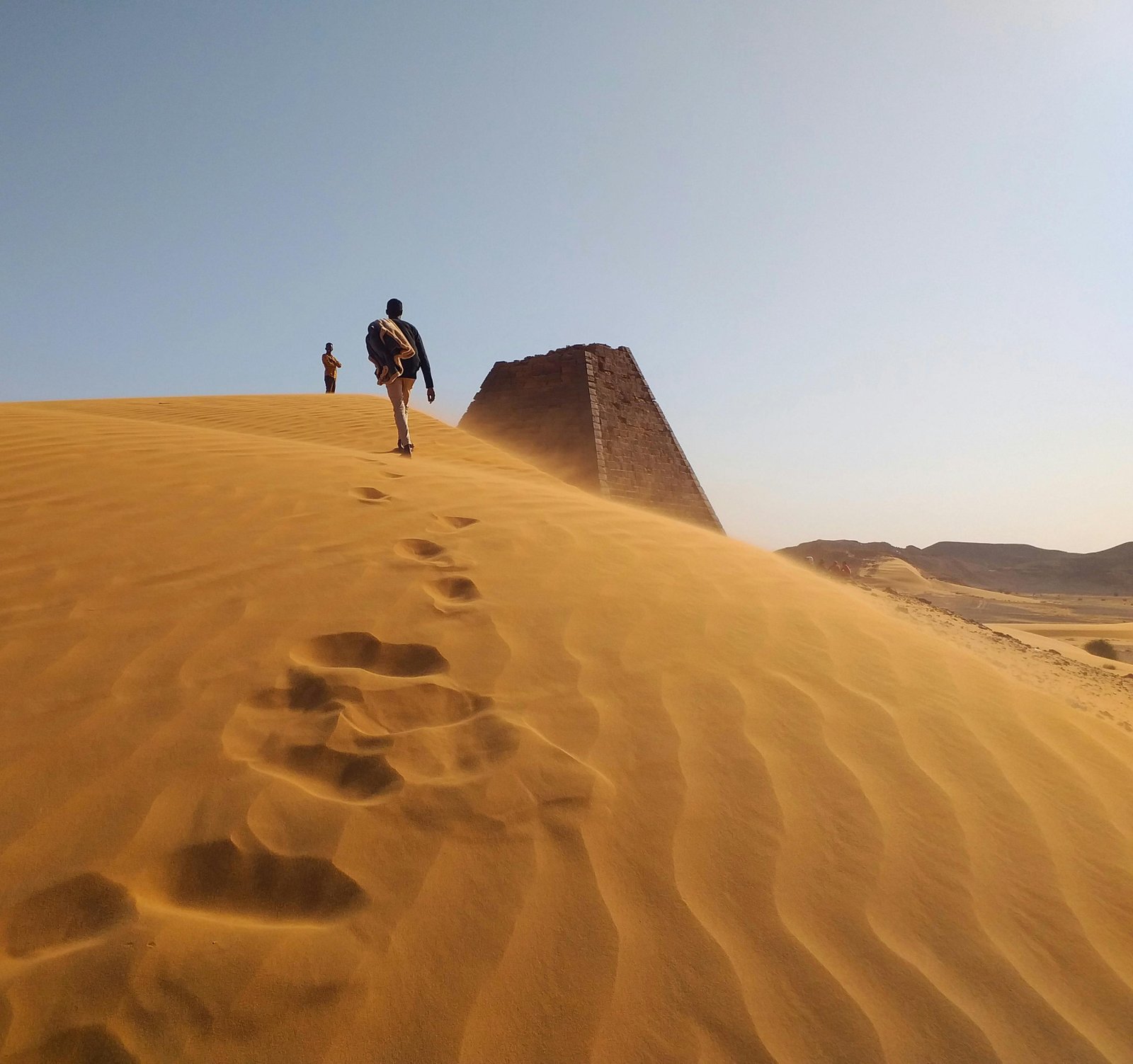
South Sudan, the youngest nation in the world, has faced numerous challenges since gaining independence in 2011. One of the key areas requiring attention is the economy. Economic reforms in South Sudan are critical to driving sustainable growth and development in the country.
One of the main issues plaguing the South Sudanese economy is its heavy reliance on oil revenue. Oil accounts for almost all of the country's exports and government revenue. However, this dependency makes the economy vulnerable to fluctuations in global oil prices. Diversifying the economy is crucial to reducing this vulnerability.
To promote economic diversification, the government of South Sudan needs to implement reforms that encourage investment in non-oil sectors such as agriculture, manufacturing, and services. This can be achieved through policies that support entrepreneurship, improve the business environment, and provide incentives for businesses to operate outside the oil sector.
Another important aspect of economic reform in South Sudan is enhancing fiscal management and transparency. Proper budgeting, expenditure control, and public financial management are essential to ensure that government resources are used efficiently and effectively. Strengthening institutions responsible for financial oversight and accountability is key to achieving this goal.
In addition to these internal reforms, South Sudan also needs to focus on improving infrastructure, including roads, electricity, and telecommunications, to support economic development. Infrastructure development can help lower the cost of doing business, attract investment, and create employment opportunities for the local population.
Furthermore, investing in human capital through education and skills training is crucial for long-term economic growth. A well-educated and skilled workforce can drive innovation, productivity, and competitiveness in various sectors of the economy.
Overall, economic reforms in South Sudan are vital for promoting sustainable development, reducing poverty, and improving the living standards of the population. By diversifying the economy, enhancing fiscal management, improving infrastructure, and investing in human capital, South Sudan can pave the way for a more prosperous future.
Leave a Comment:
SEARCH
Recent News
- Zurich, Switzerland is a vibrant city known for its rich cultural scene and diverse music offerings. One unique aspect of Zurich's music scene is the presence of Sudanese music, which has found a home in the city's melting pot of cultures.
- Zurich, Switzerland is a vibrant city known for its picturesque landscapes, rich history, and diverse cultural scene. One fascinating aspect of Zurich's cultural tapestry is the influence of Sudanese culture in the city.
- Zurich, Switzerland is known for its multicultural atmosphere and diverse culinary scene. One of the lesser-known gems of Zurich's food scene is Sudanese cuisine. Sudanese cuisine is a reflection of the country's diverse cultural influences, blending Arabic, African, and Mediterranean flavors to create a unique and delicious culinary experience.
- Zurich, Switzerland, is a vibrant city known for its scenic beauty, rich history, and thriving business environment. One interesting aspect of Zurich's business landscape is the presence of Sudanese entrepreneurs who have made their mark in various industries in the city.
- Visiting Zurich, Switzerland, can be an enriching experience for music lovers from all corners of the world. While the city may not be the first place that comes to mind when thinking about South African music, Zurich's diverse music scene offers a glimpse into the vibrant sounds of this African nation.
- Zurich, Switzerland is a city known for its vibrant culture, stunning landscapes, and welcoming atmosphere. Over the years, Zurich has become a melting pot of diversity, attracting people from all corners of the world. One noticeable community that has found its home in Zurich is the Ethiopian population.
- Zurich, Switzerland is not only known for its picturesque landscapes and thriving economy, but also for its vibrant and growing Ethiopian diaspora community. The Ethiopian diaspora in Zurich is one of the largest in Switzerland, with a significant number of Ethiopians calling the city their home.
- Zurich, Switzerland: A Culinary Journey into Ethiopian Cuisine
READ MORE
9 months ago Category :

Zurich, Switzerland is a vibrant city known for its rich cultural scene and diverse music offerings. One unique aspect of Zurich's music scene is the presence of Sudanese music, which has found a home in the city's melting pot of cultures.
Read More →9 months ago Category :

Zurich, Switzerland is a vibrant city known for its picturesque landscapes, rich history, and diverse cultural scene. One fascinating aspect of Zurich's cultural tapestry is the influence of Sudanese culture in the city.
Read More →9 months ago Category :

Zurich, Switzerland is known for its multicultural atmosphere and diverse culinary scene. One of the lesser-known gems of Zurich's food scene is Sudanese cuisine. Sudanese cuisine is a reflection of the country's diverse cultural influences, blending Arabic, African, and Mediterranean flavors to create a unique and delicious culinary experience.
Read More →9 months ago Category :
