Rebuilding South Sudan After the Conflict: A Path to Sustainable Peace
Category : South Sudanese Conflict and Peace Processes | Sub Category : Rebuilding South Sudan After the Conflict Posted on 2025-02-02 21:24:53
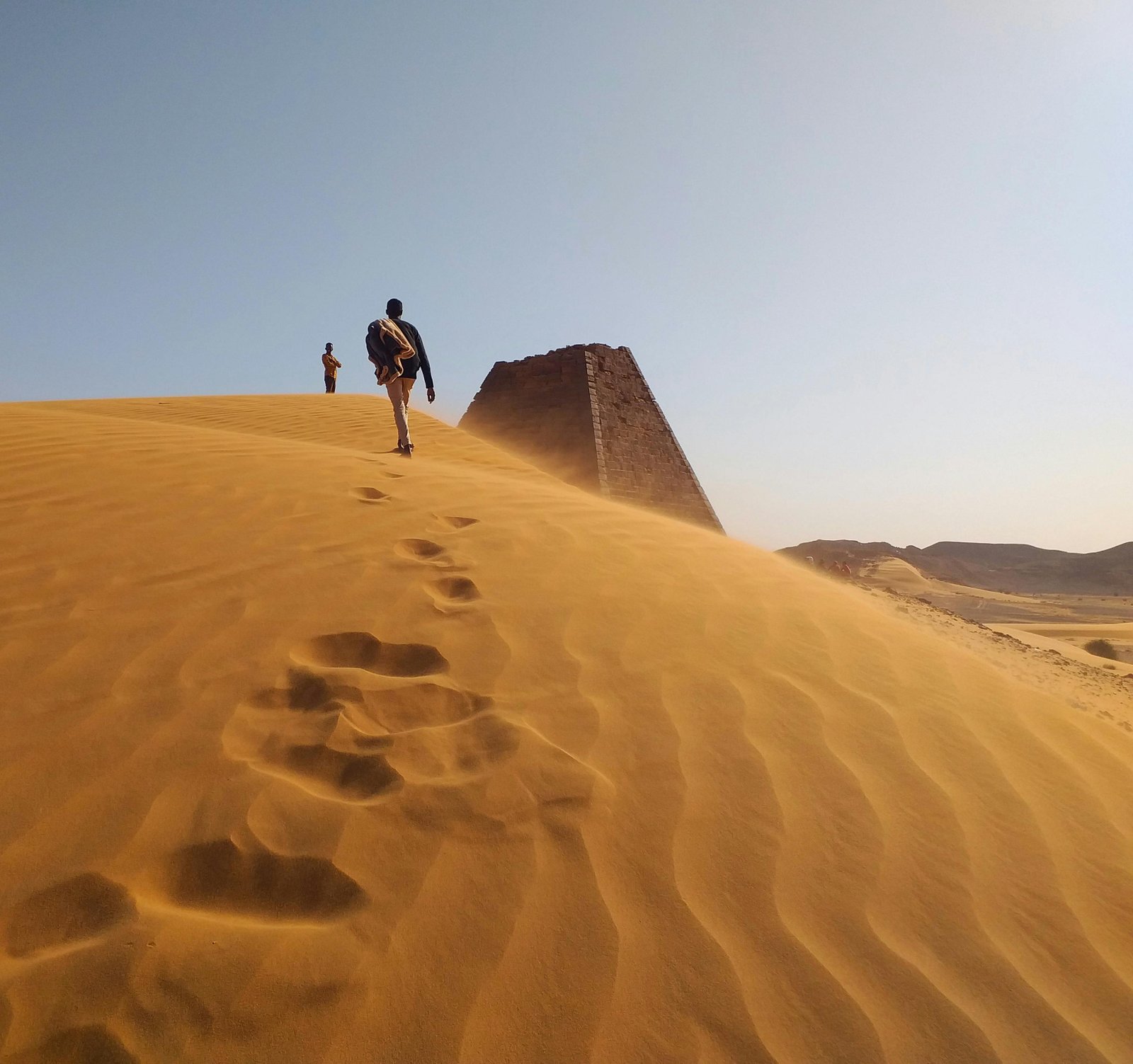
Rebuilding South Sudan After the Conflict: A Path to Sustainable Peace
The Republic of South Sudan has been plagued by conflict and violence since gaining independence in 2011. The ongoing civil war, which erupted in 2013, has had devastating effects on the country and its people, including loss of lives, displacement of populations, economic collapse, and destruction of infrastructure. However, amidst the challenges, there remains hope for a brighter future through peace processes and initiatives aimed at rebuilding the nation and fostering reconciliation.
One of the crucial steps towards rebuilding South Sudan after the conflict is the establishment of sustainable peace through a comprehensive peace agreement. The signing of the Revitalized Agreement on the Resolution of the Conflict in South Sudan (R-ARCSS) in 2018 was a significant milestone in the peace process. The agreement provides a framework for power-sharing, security arrangements, governance reforms, and national reconciliation efforts. Implementation of the agreement is essential to address the root causes of the conflict and prevent a relapse into violence.
Another key aspect of rebuilding South Sudan is providing humanitarian assistance to address the urgent needs of the population affected by the conflict. This includes food aid, healthcare services, shelter, and psychosocial support for those traumatized by the violence. International organizations, NGOs, and donor countries play a crucial role in delivering humanitarian aid and supporting the recovery and reconstruction efforts in the country.
Furthermore, efforts to rebuild South Sudan require a focus on promoting inclusive governance, rule of law, and respect for human rights. Strengthening institutions, promoting transparency and accountability, and addressing corruption are essential for building a stable and prosperous nation. Engaging all stakeholders, including women, youth, civil society organizations, and marginalized groups, in decision-making processes is crucial for fostering social cohesion and sustainable peace.
Education and skills development are also vital components of rebuilding South Sudan after the conflict. Investing in education infrastructure, training teachers, and providing quality education for children and youth can help build a skilled workforce and contribute to economic growth and development. Empowering women and girls through education is particularly important for advancing gender equality and promoting social progress.
In conclusion, rebuilding South Sudan after the conflict requires a holistic approach that addresses the political, humanitarian, governance, and socio-economic aspects of the crisis. Sustainable peace can only be achieved through a combination of political will, international support, and local ownership of the peace process. By investing in peacebuilding, reconciliation, and development, South Sudan can overcome the legacy of conflict and build a more peaceful and prosperous future for its people.
Leave a Comment:
SEARCH
Recent News
- Zurich, Switzerland is a vibrant city known for its rich cultural scene and diverse music offerings. One unique aspect of Zurich's music scene is the presence of Sudanese music, which has found a home in the city's melting pot of cultures.
- Zurich, Switzerland is a vibrant city known for its picturesque landscapes, rich history, and diverse cultural scene. One fascinating aspect of Zurich's cultural tapestry is the influence of Sudanese culture in the city.
- Zurich, Switzerland is known for its multicultural atmosphere and diverse culinary scene. One of the lesser-known gems of Zurich's food scene is Sudanese cuisine. Sudanese cuisine is a reflection of the country's diverse cultural influences, blending Arabic, African, and Mediterranean flavors to create a unique and delicious culinary experience.
- Zurich, Switzerland, is a vibrant city known for its scenic beauty, rich history, and thriving business environment. One interesting aspect of Zurich's business landscape is the presence of Sudanese entrepreneurs who have made their mark in various industries in the city.
- Visiting Zurich, Switzerland, can be an enriching experience for music lovers from all corners of the world. While the city may not be the first place that comes to mind when thinking about South African music, Zurich's diverse music scene offers a glimpse into the vibrant sounds of this African nation.
- Zurich, Switzerland is a city known for its vibrant culture, stunning landscapes, and welcoming atmosphere. Over the years, Zurich has become a melting pot of diversity, attracting people from all corners of the world. One noticeable community that has found its home in Zurich is the Ethiopian population.
- Zurich, Switzerland is not only known for its picturesque landscapes and thriving economy, but also for its vibrant and growing Ethiopian diaspora community. The Ethiopian diaspora in Zurich is one of the largest in Switzerland, with a significant number of Ethiopians calling the city their home.
- Zurich, Switzerland: A Culinary Journey into Ethiopian Cuisine
READ MORE
9 months ago Category :

Zurich, Switzerland is a vibrant city known for its rich cultural scene and diverse music offerings. One unique aspect of Zurich's music scene is the presence of Sudanese music, which has found a home in the city's melting pot of cultures.
Read More →9 months ago Category :

Zurich, Switzerland is a vibrant city known for its picturesque landscapes, rich history, and diverse cultural scene. One fascinating aspect of Zurich's cultural tapestry is the influence of Sudanese culture in the city.
Read More →9 months ago Category :

Zurich, Switzerland is known for its multicultural atmosphere and diverse culinary scene. One of the lesser-known gems of Zurich's food scene is Sudanese cuisine. Sudanese cuisine is a reflection of the country's diverse cultural influences, blending Arabic, African, and Mediterranean flavors to create a unique and delicious culinary experience.
Read More →9 months ago Category :
